



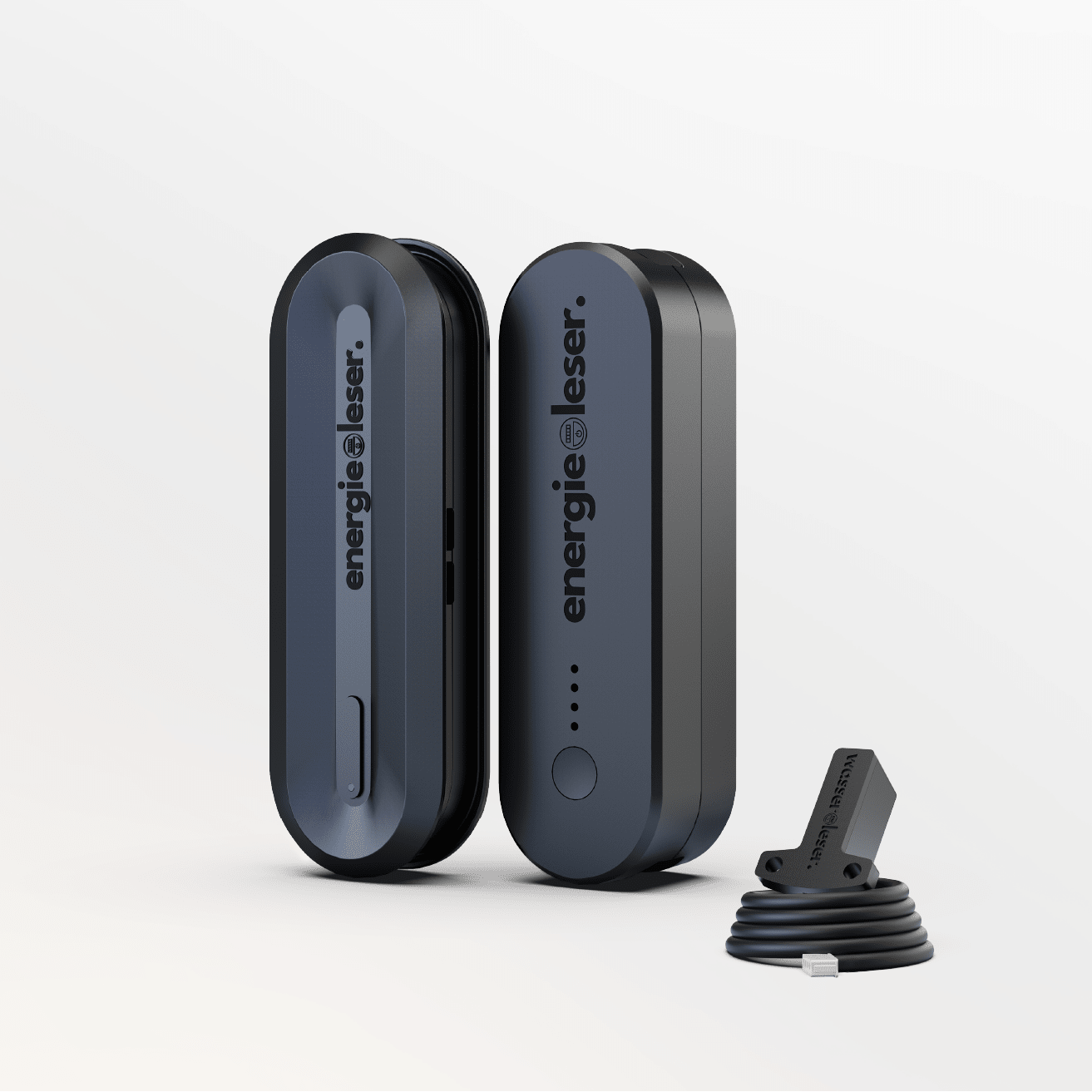
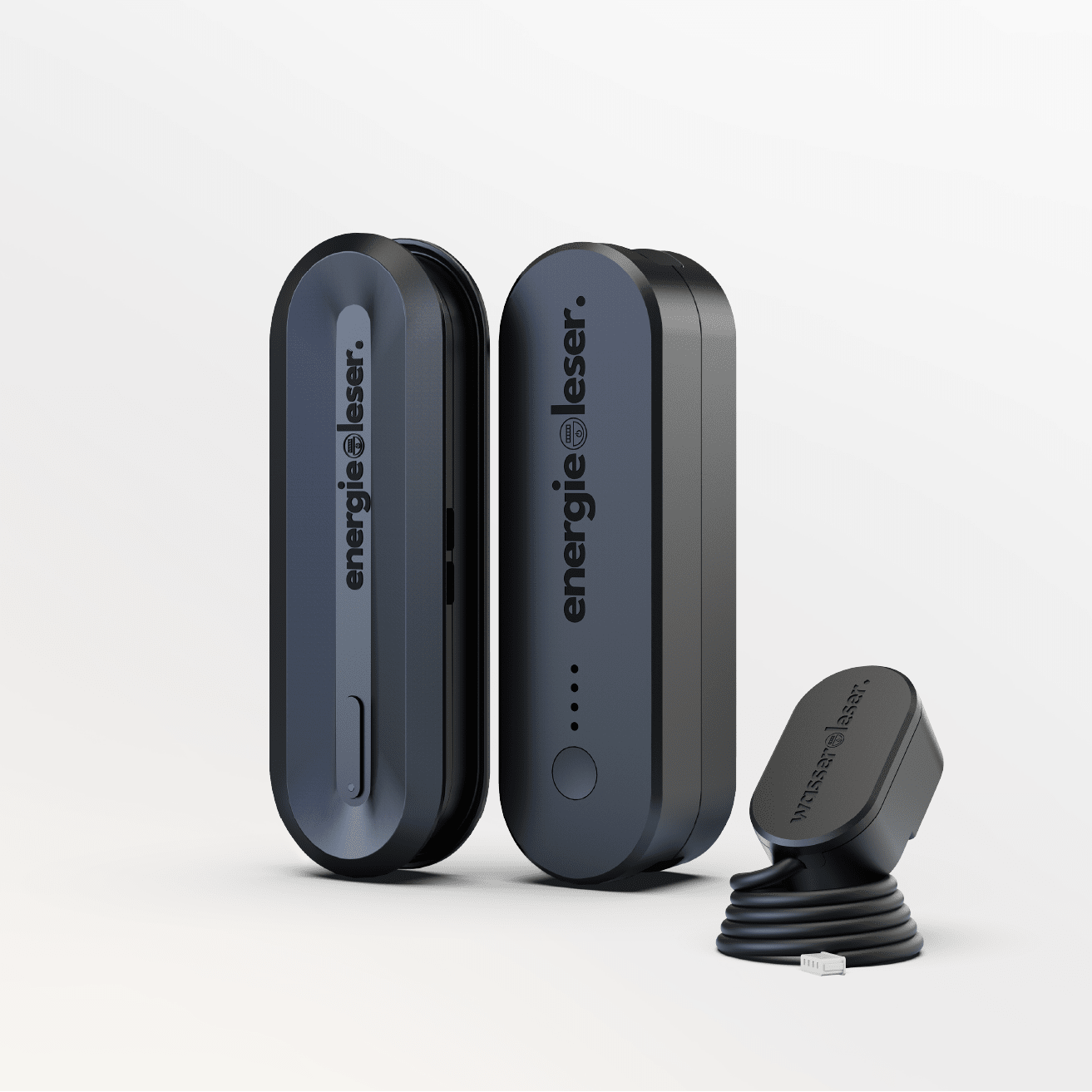
energylezer.bridge
- Automatic reading of smart meters and smoke detectors (decryption key required)
- Easy retrofitting of existing electricity, water and gas meters
- Works without Wi-Fi or power outlet at the meter
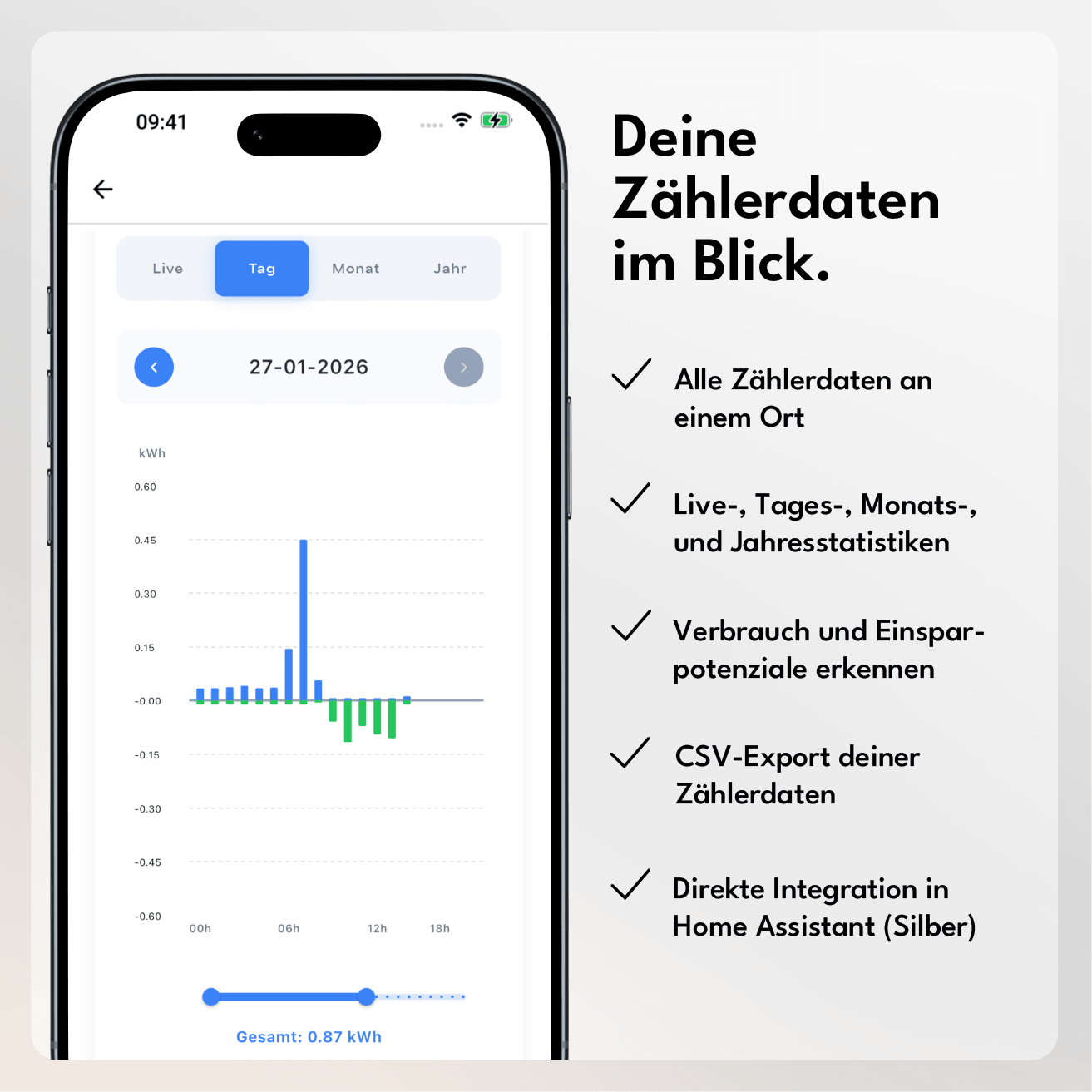
- All energy and consumption data in one app
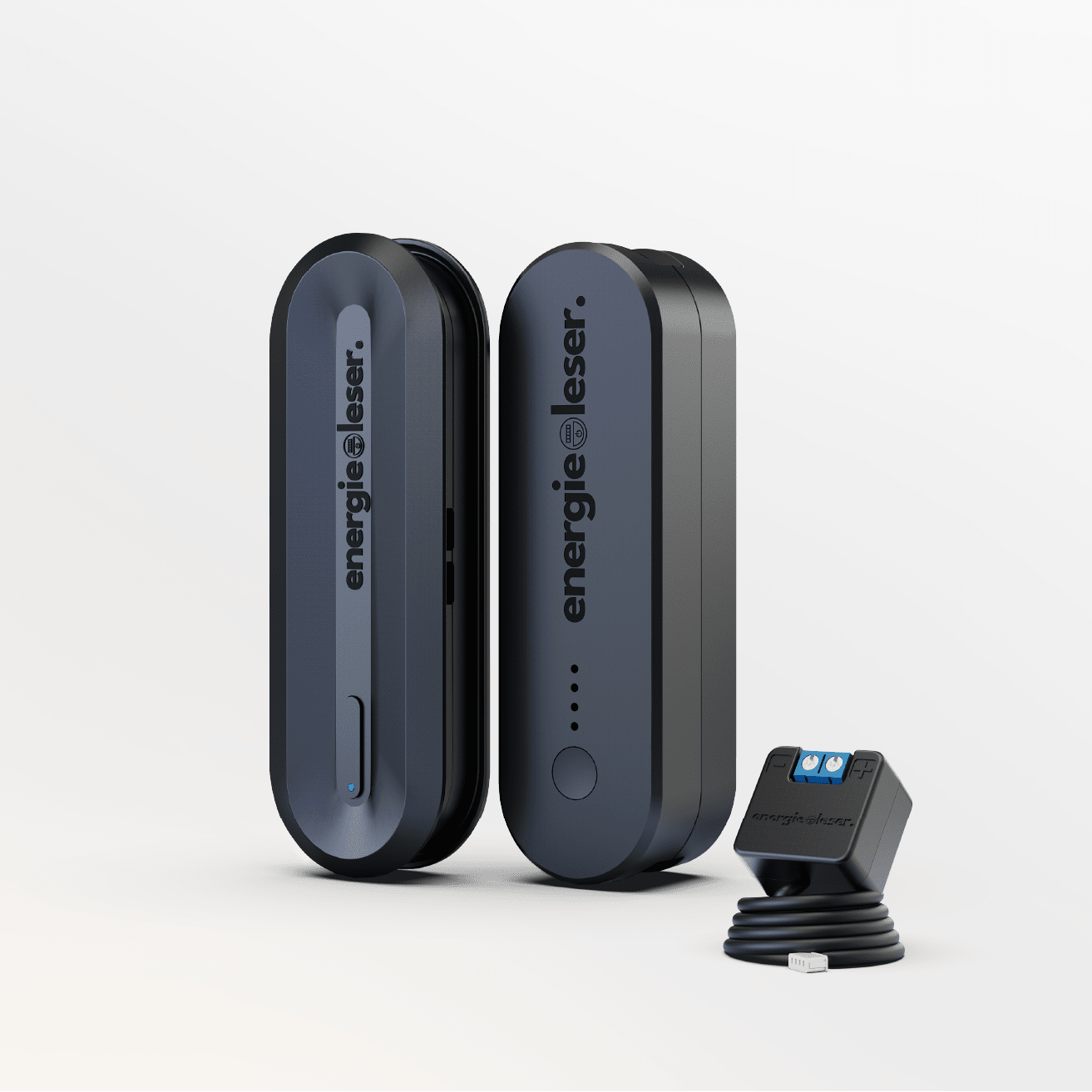
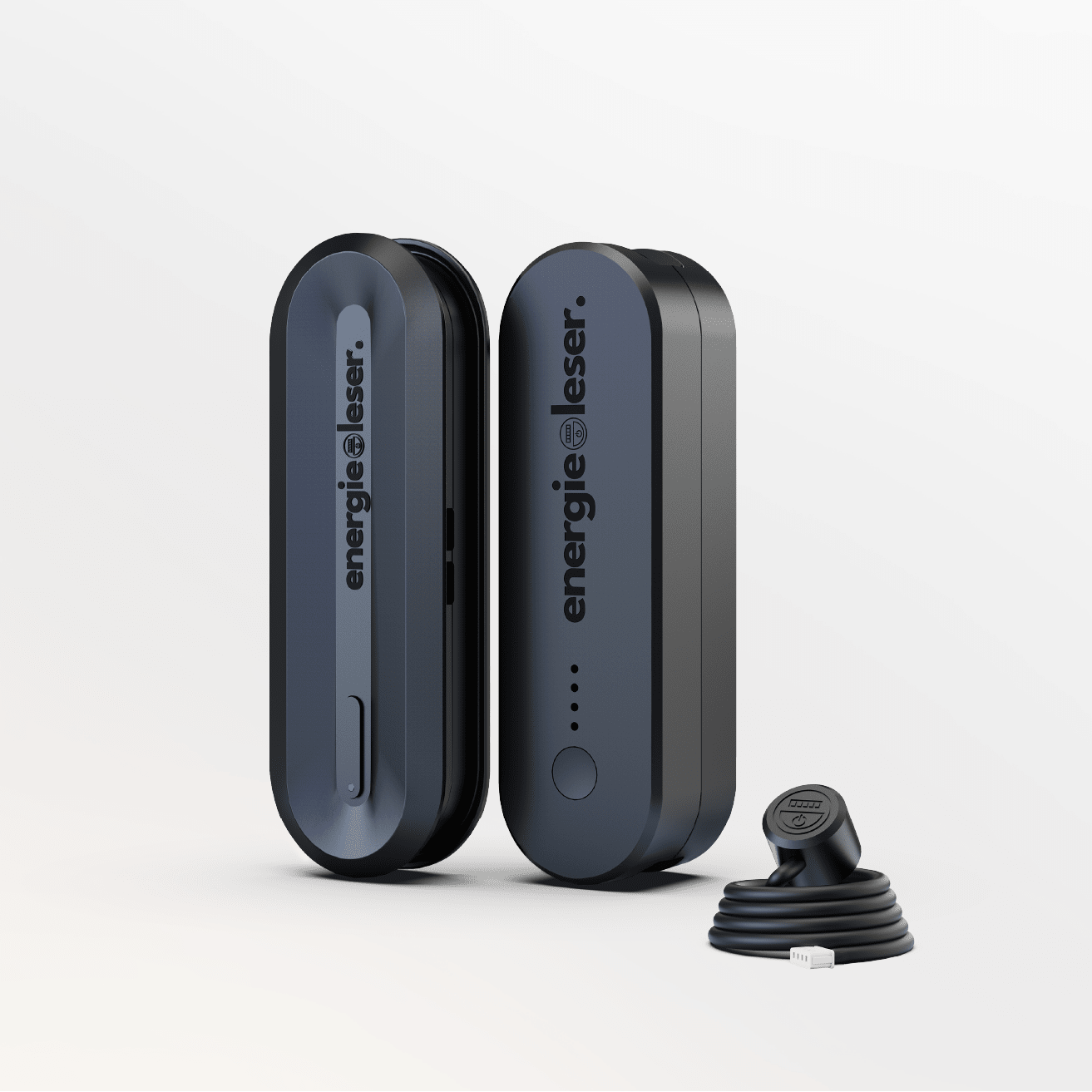
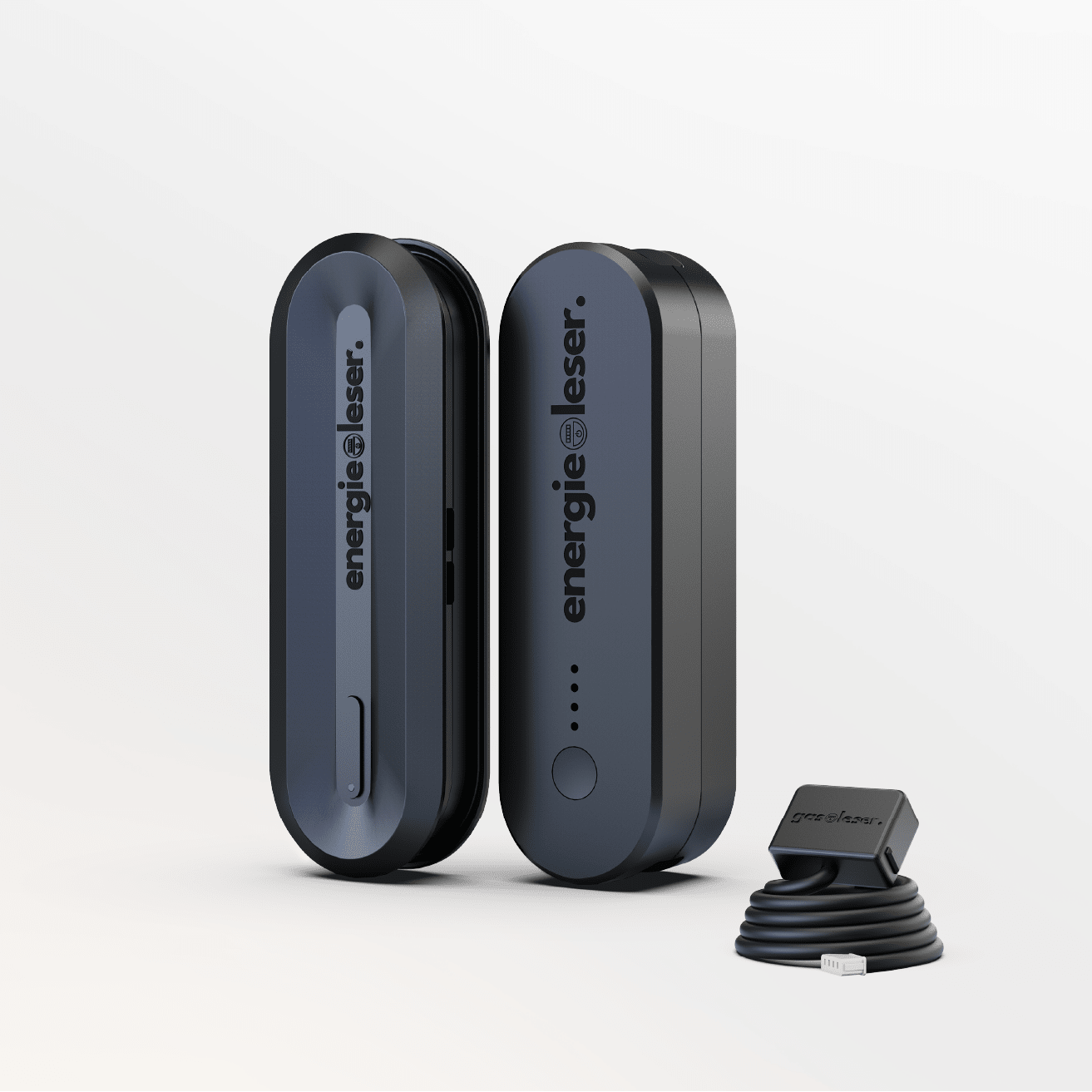
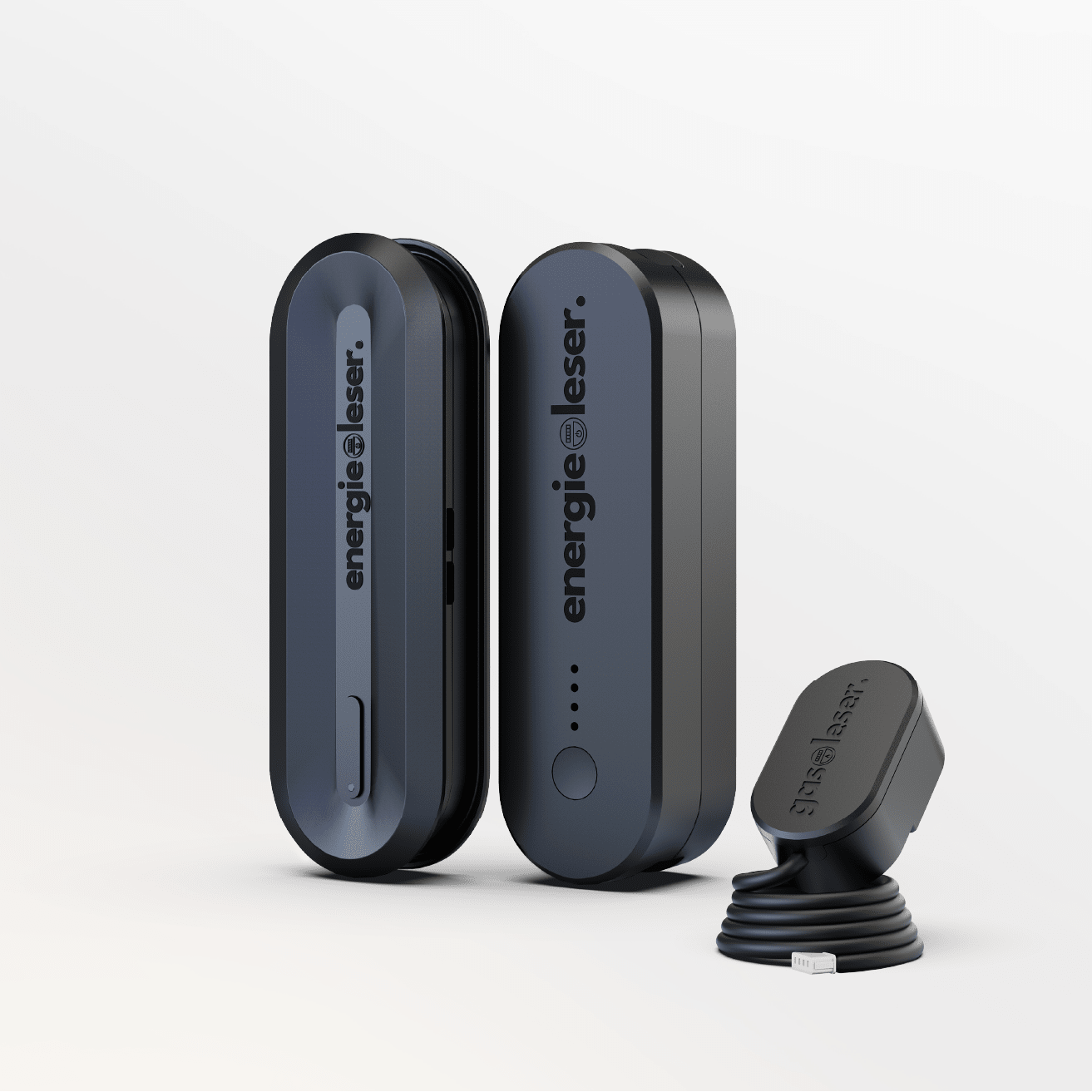
- Bridge for smart meters, Node + sensors for conventional meters
- Direct integration into Home Assistant
Delivery date: End of September
The energieleser.node only works in conjunction with the corresponding sensors for your meter model, as well as the energieleser.bridge as the data reception unit.
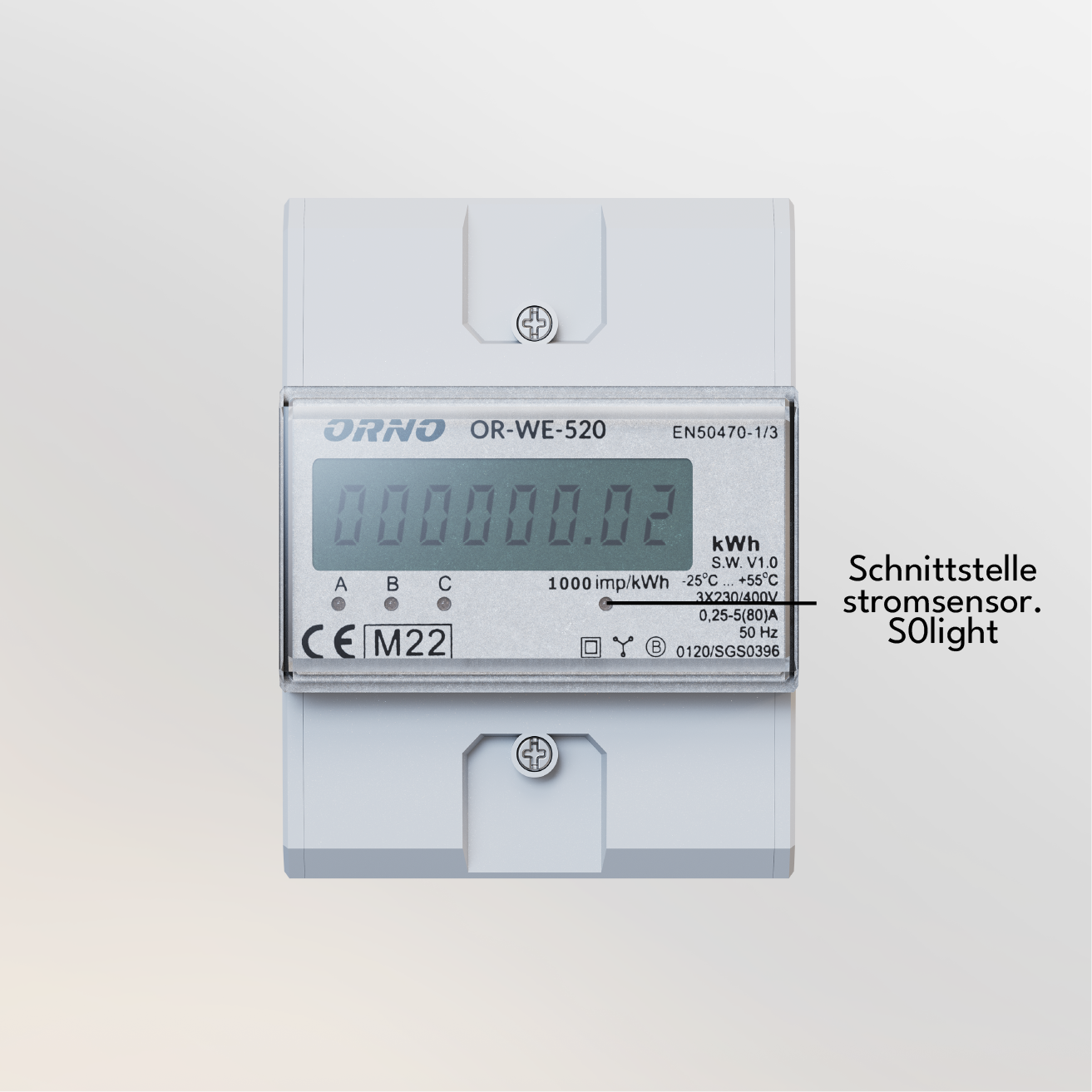
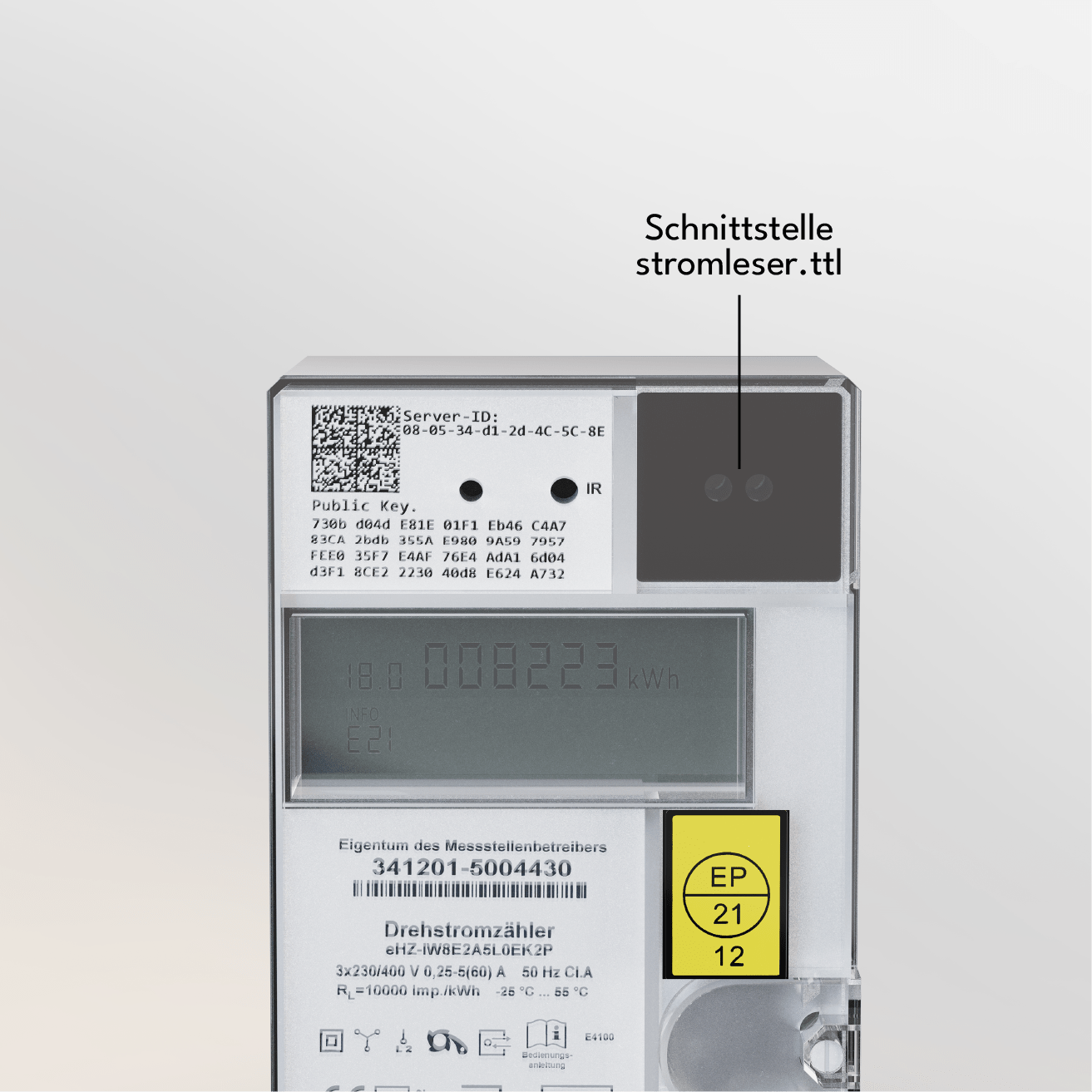
You can find out which sensor is compatible with your meter model on the respective sensor page.
If you have any questions about compatibility, we are always available via our WhatsApp Support or at 0711 39687998.
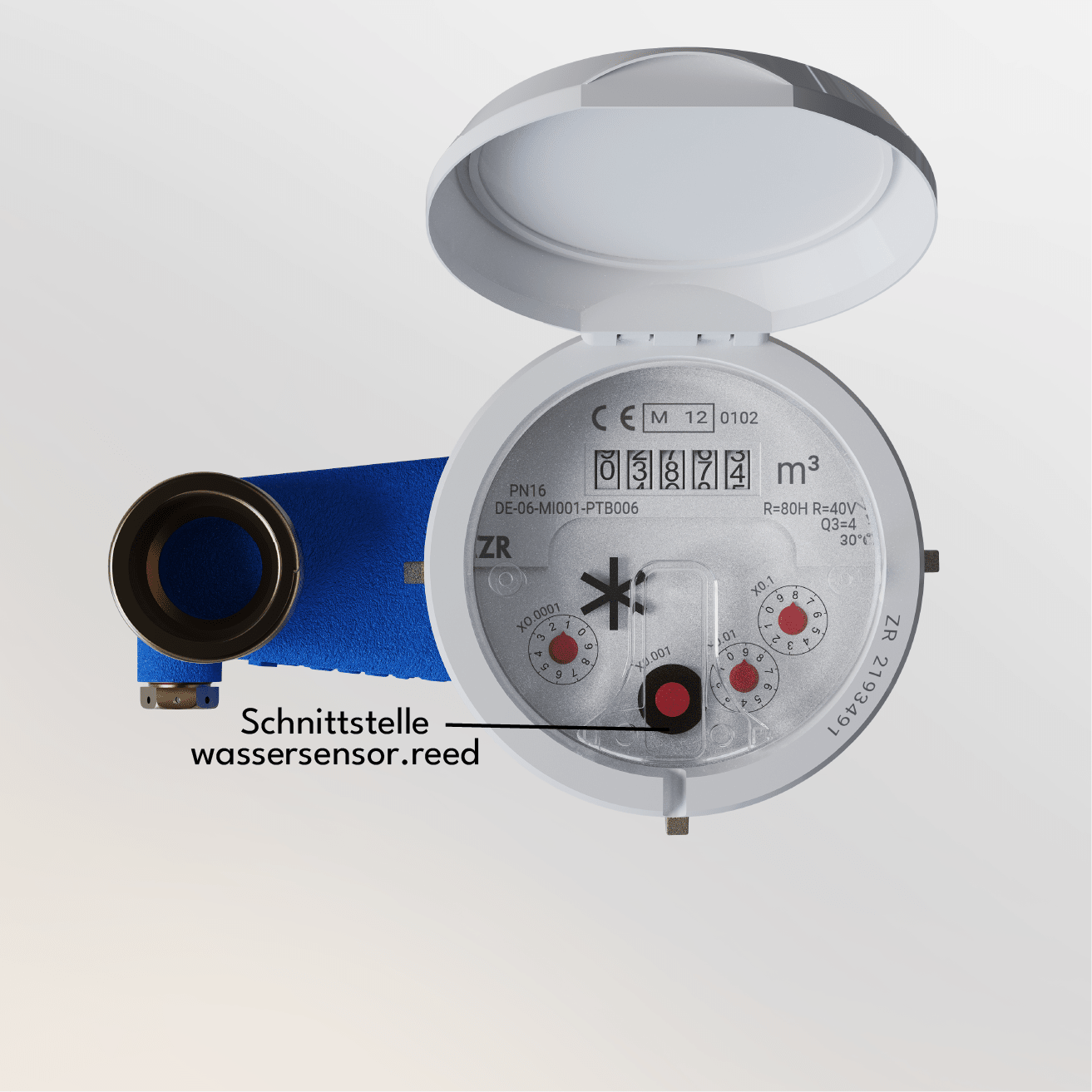
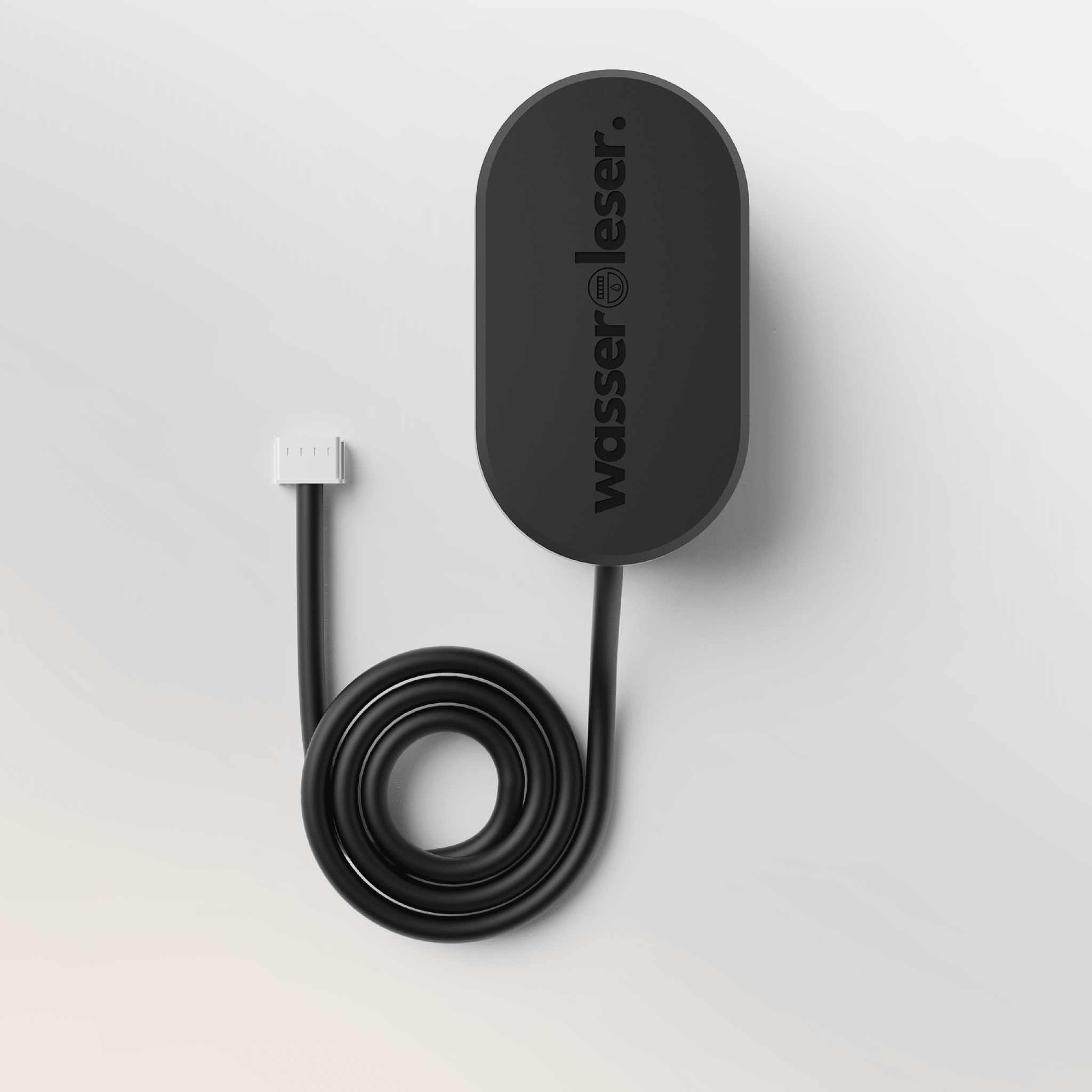
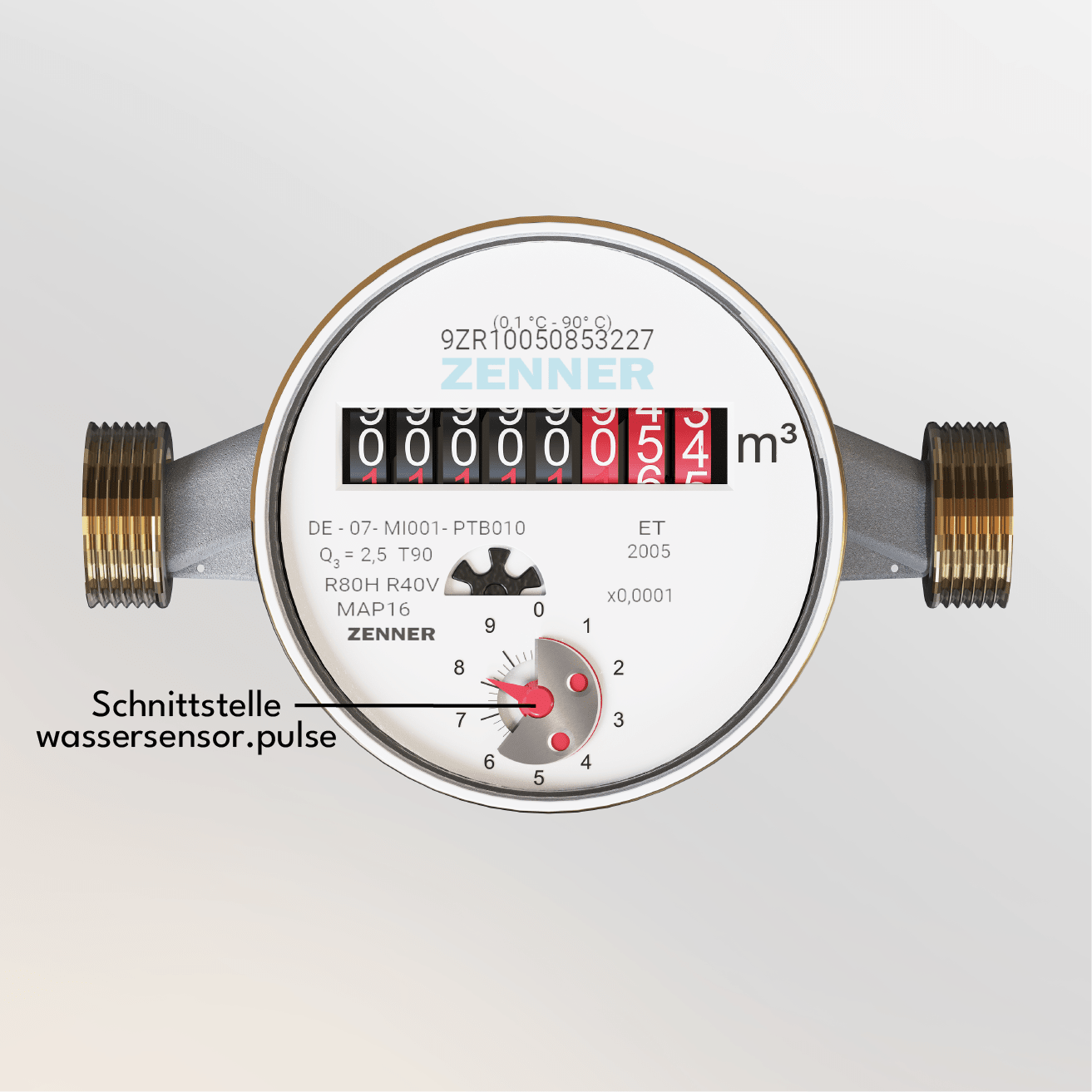
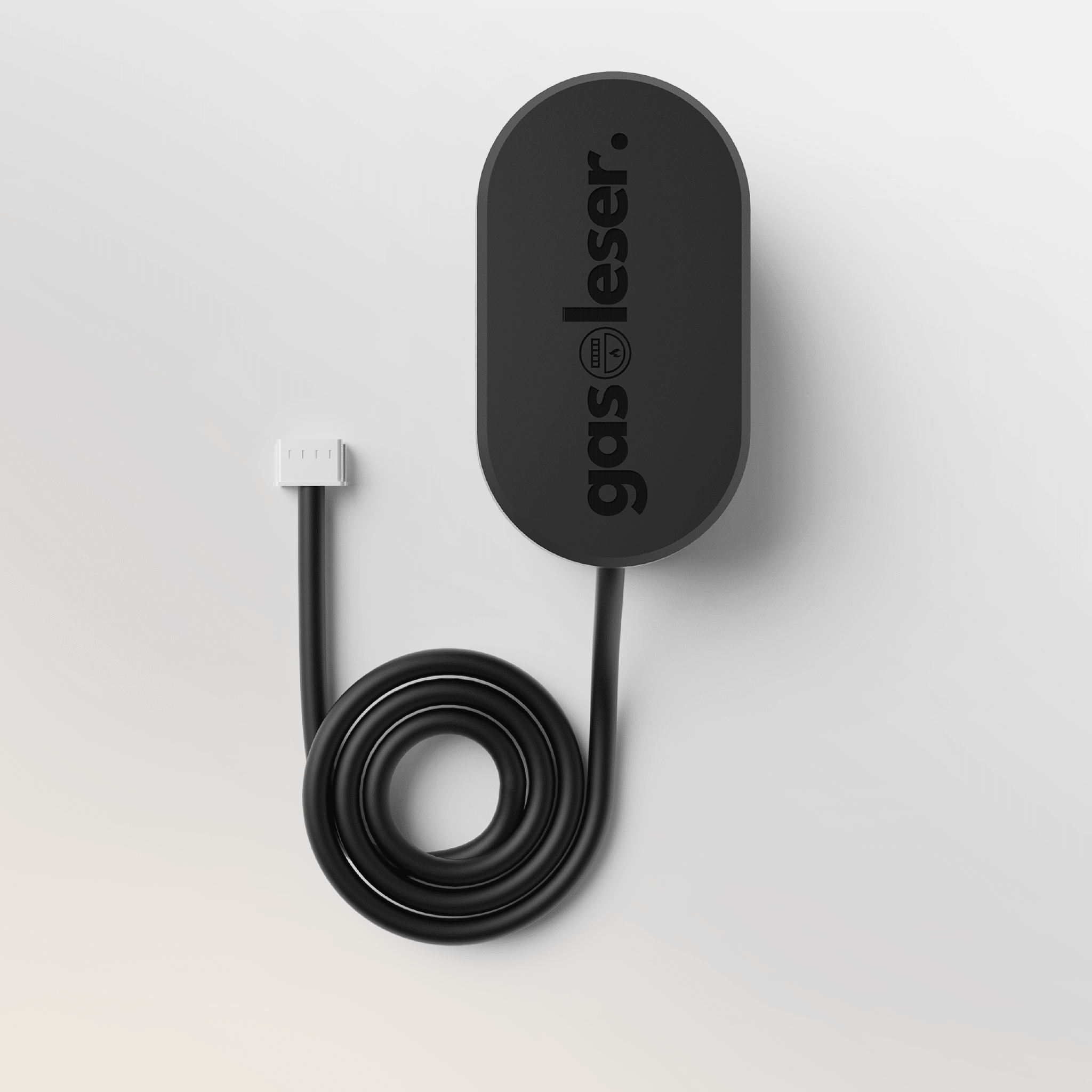
Choose more sensors for your Node

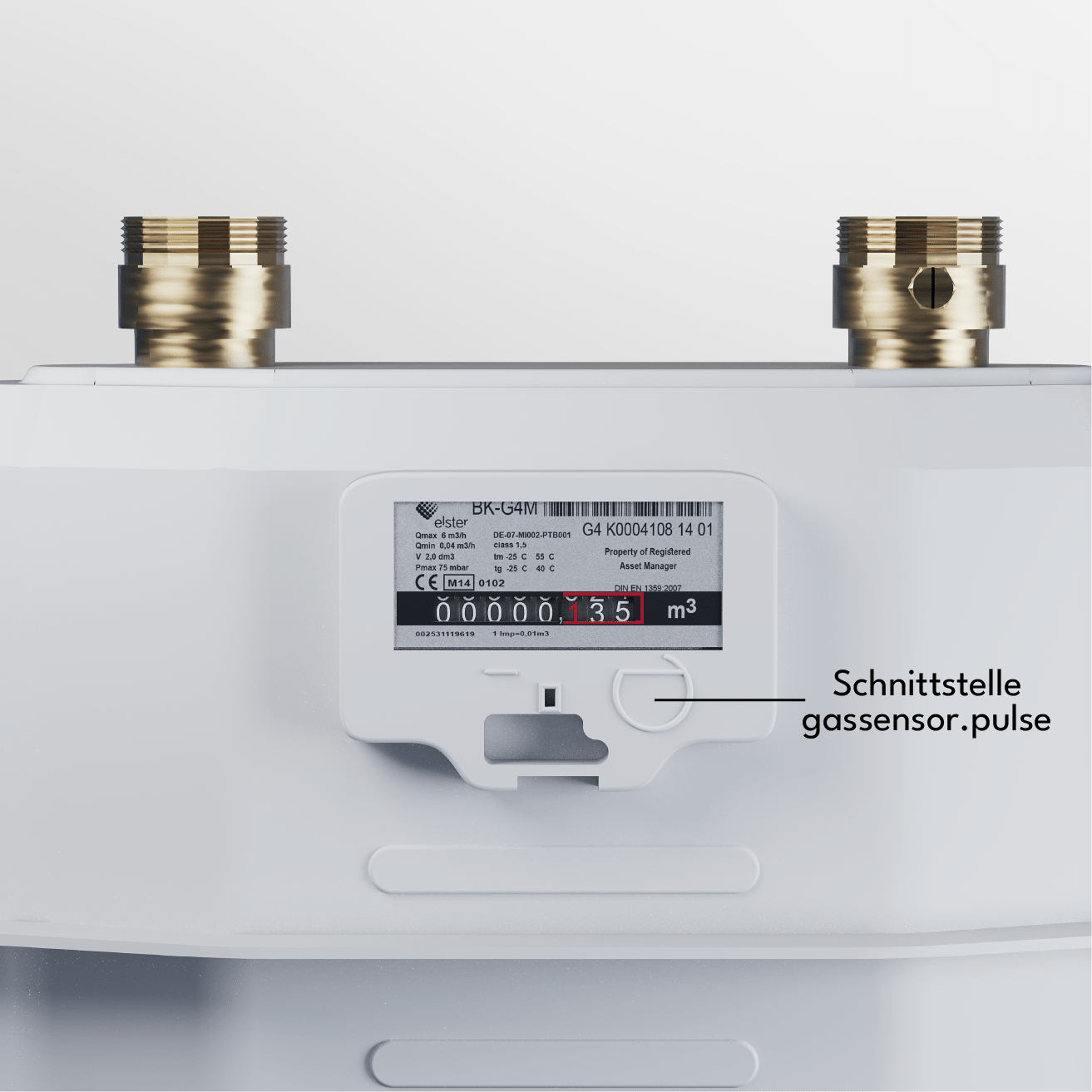
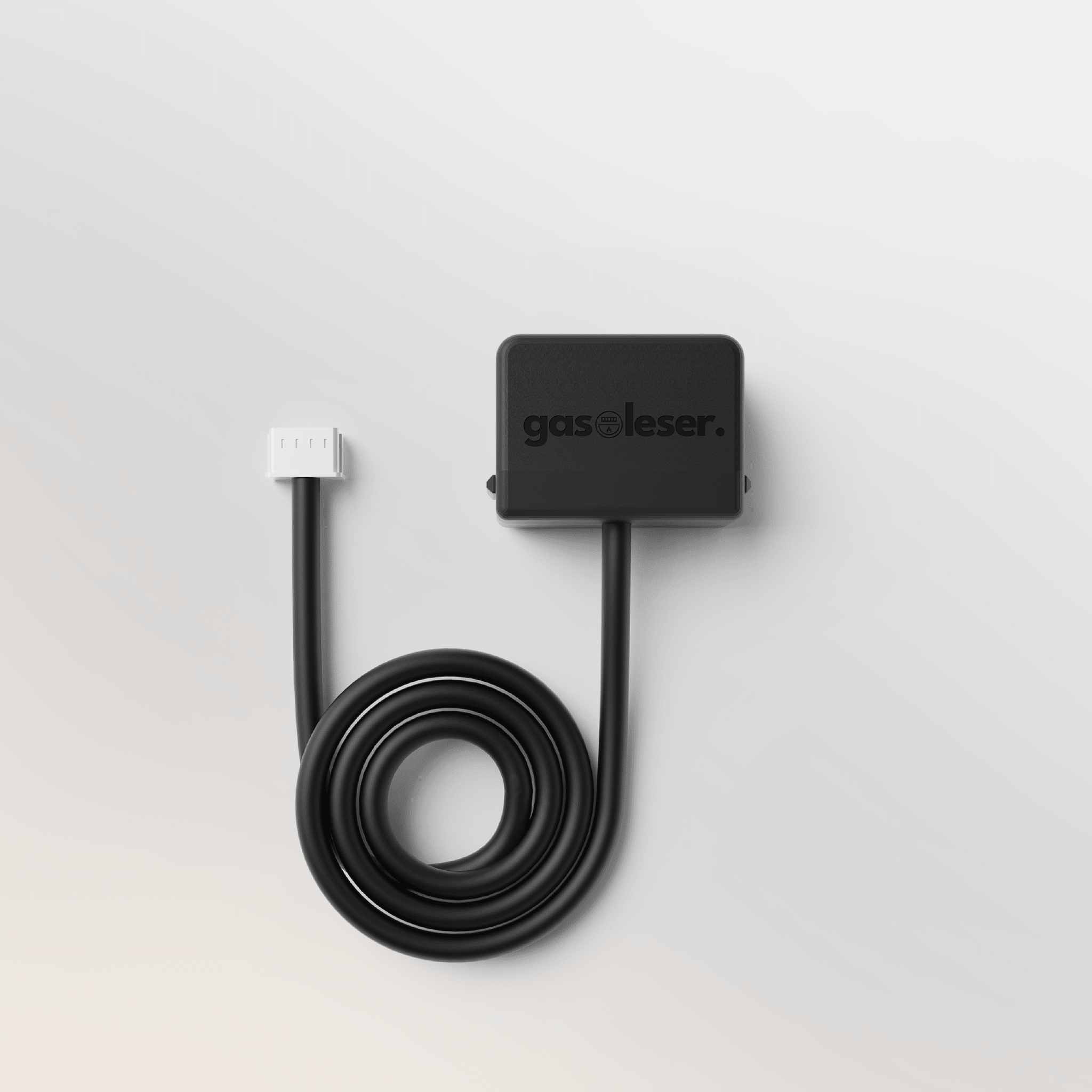
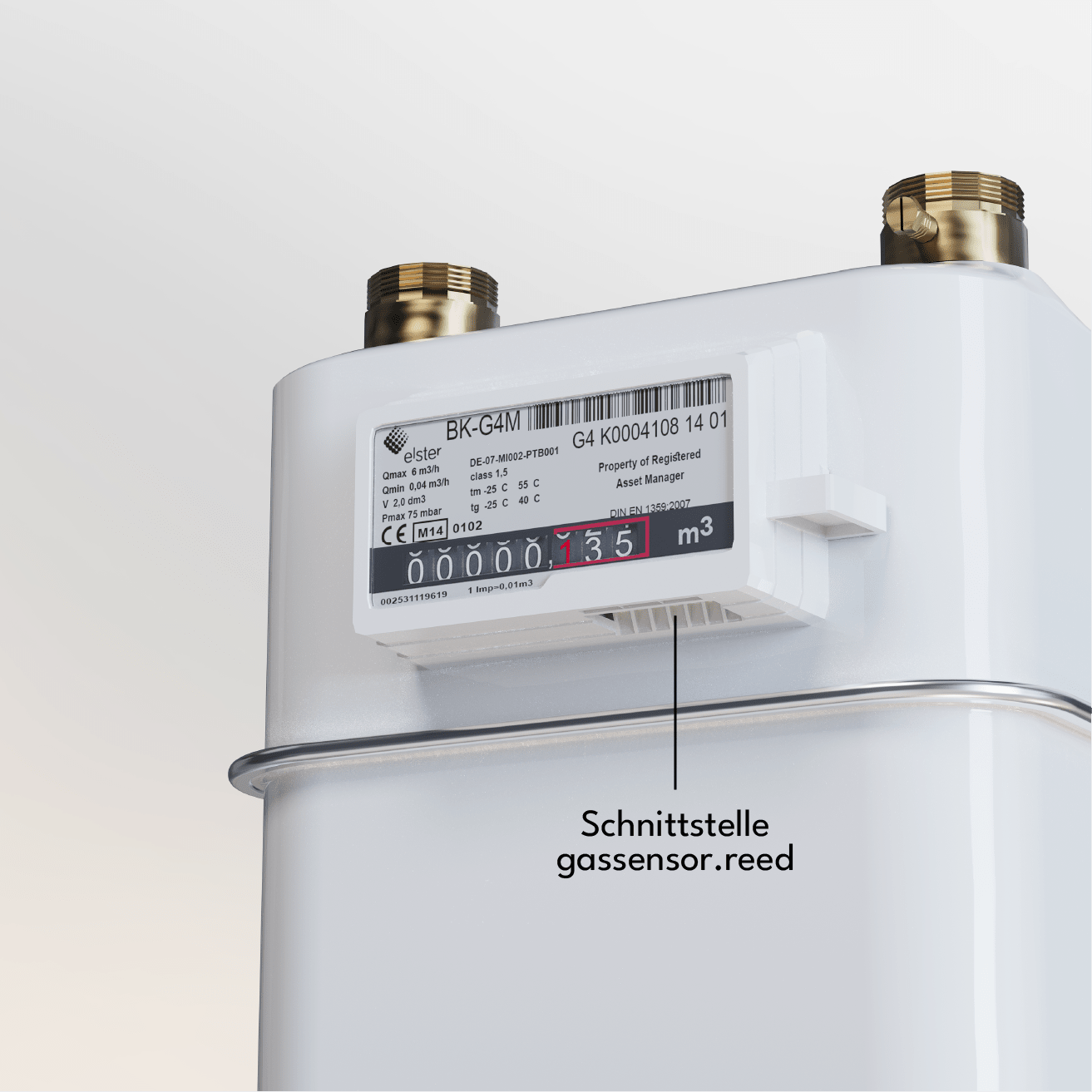
 Pay in 30 days
 Pay in 30 days

Wireless meter
The energieleser.bridge allows you to read out your wireless meters (wireless M-Bus), such as modern water meters. Please note that these radio signals are often encrypted and the appropriate key must be available. Once the meters are decrypted, they can be easily integrated.
Sensors (Reader Unit)
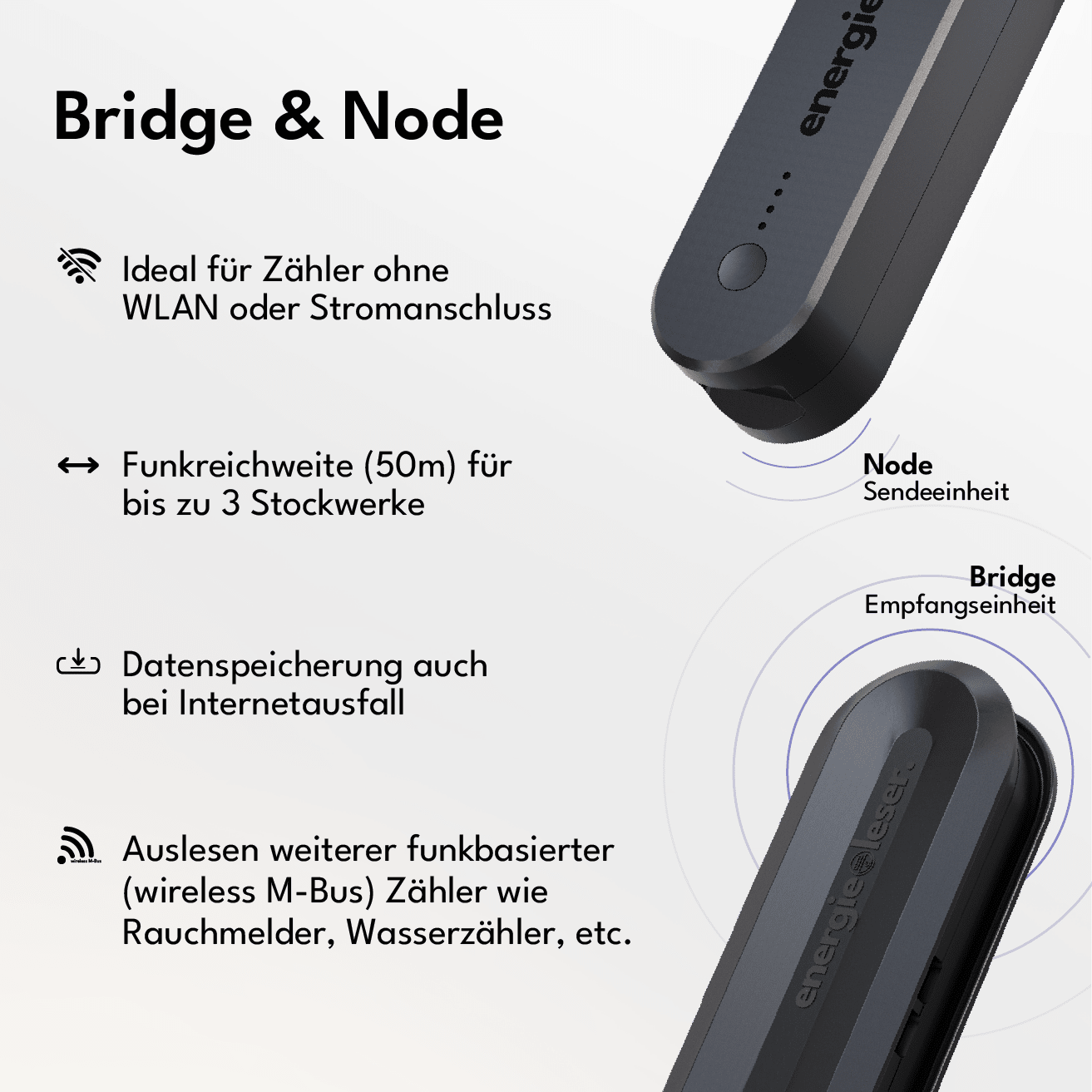
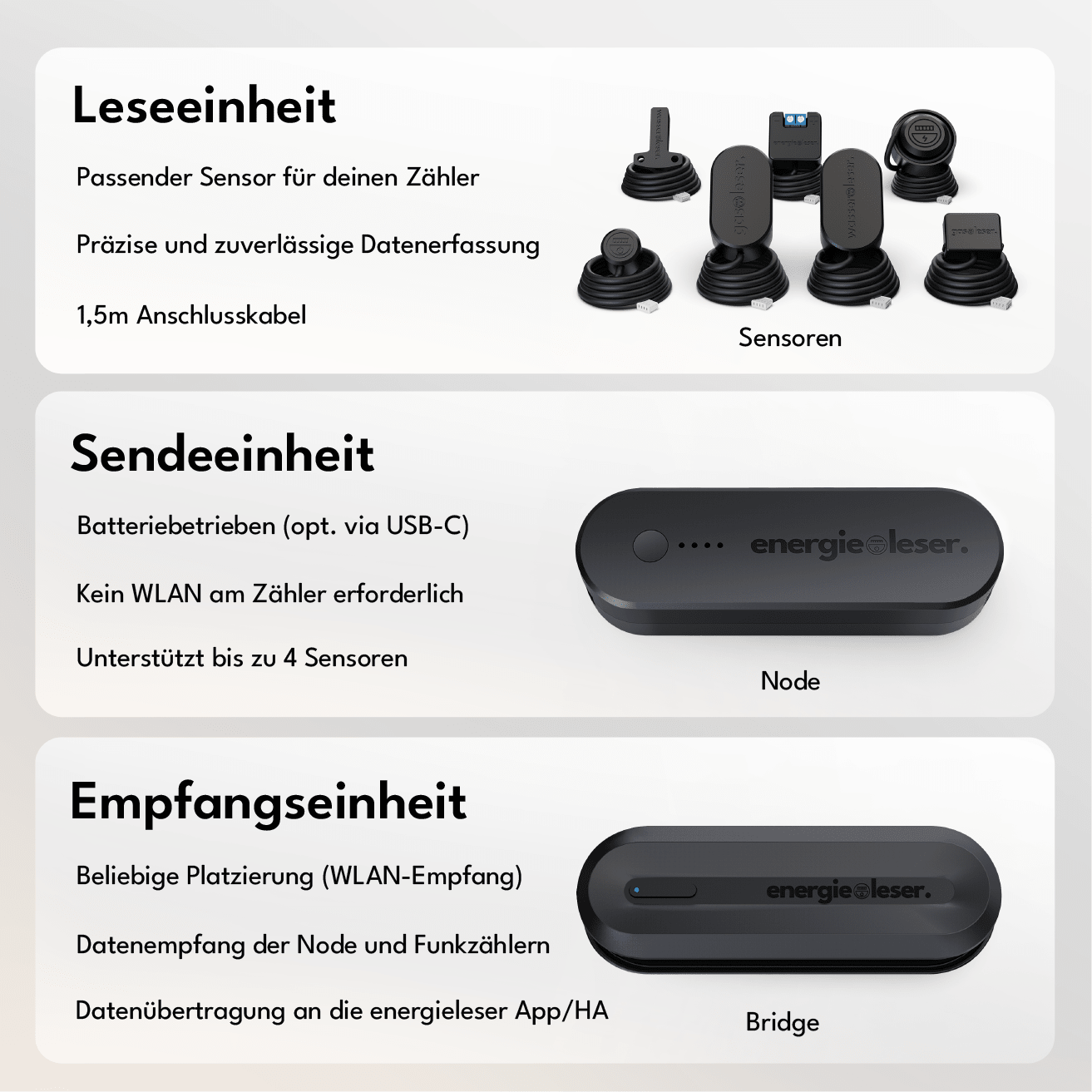
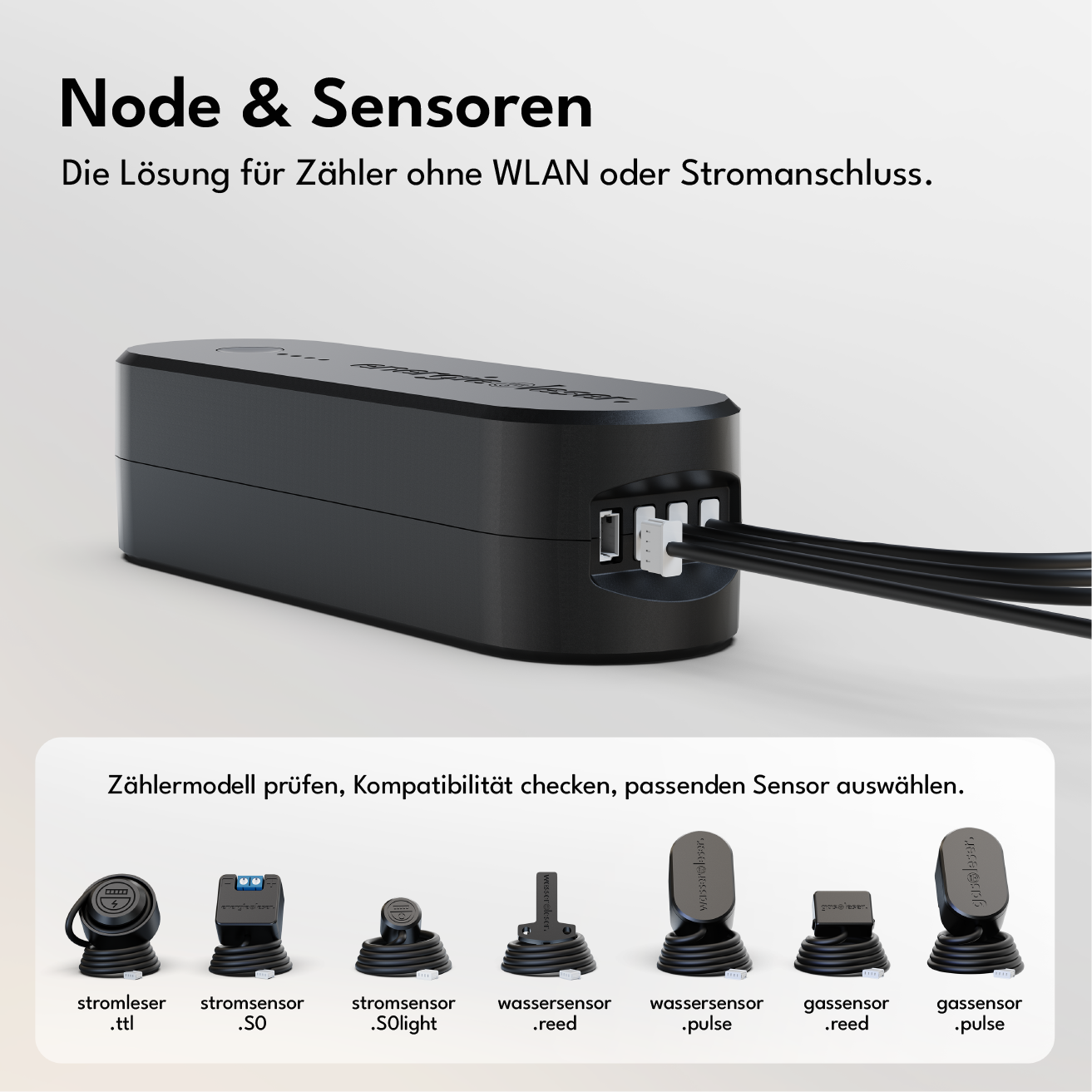
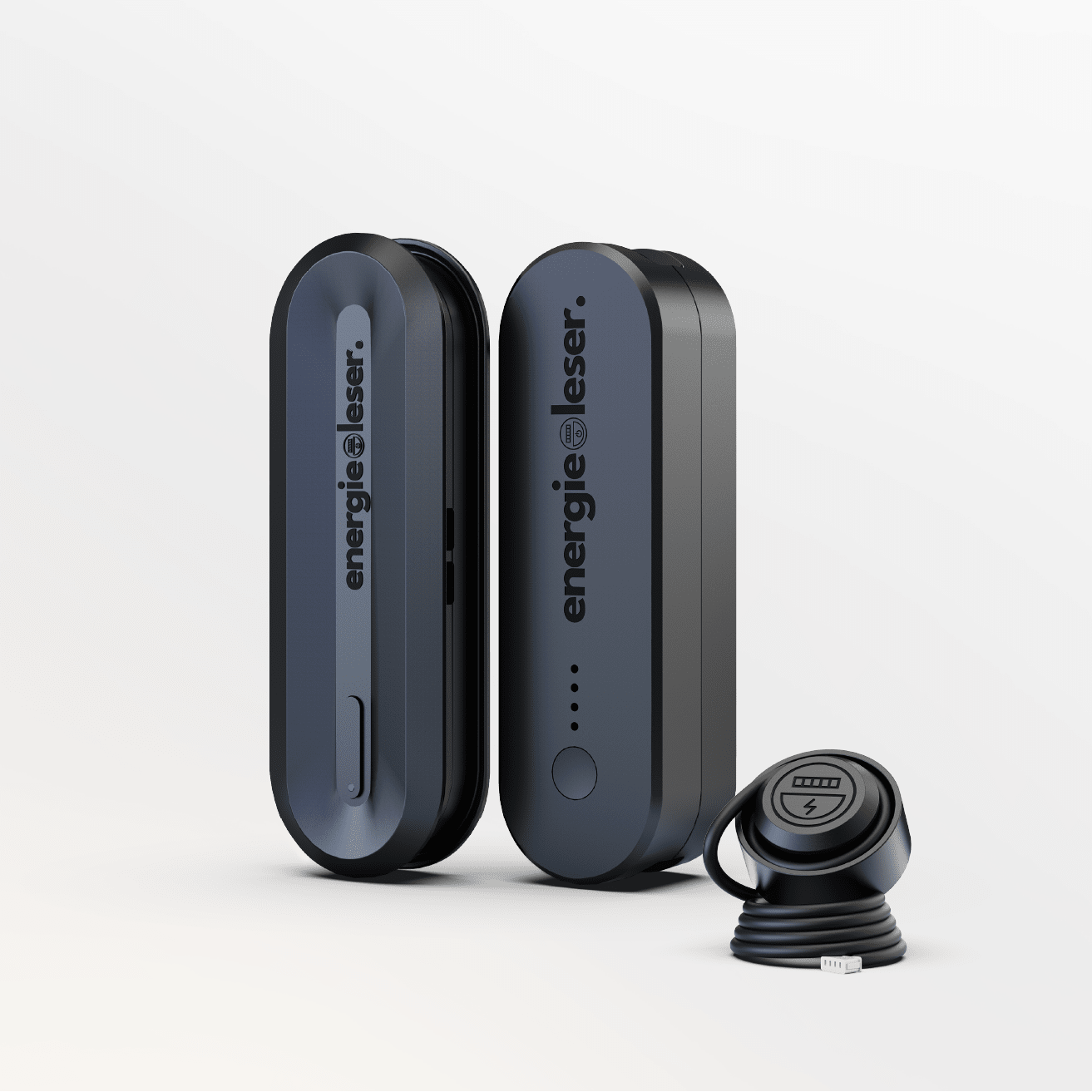
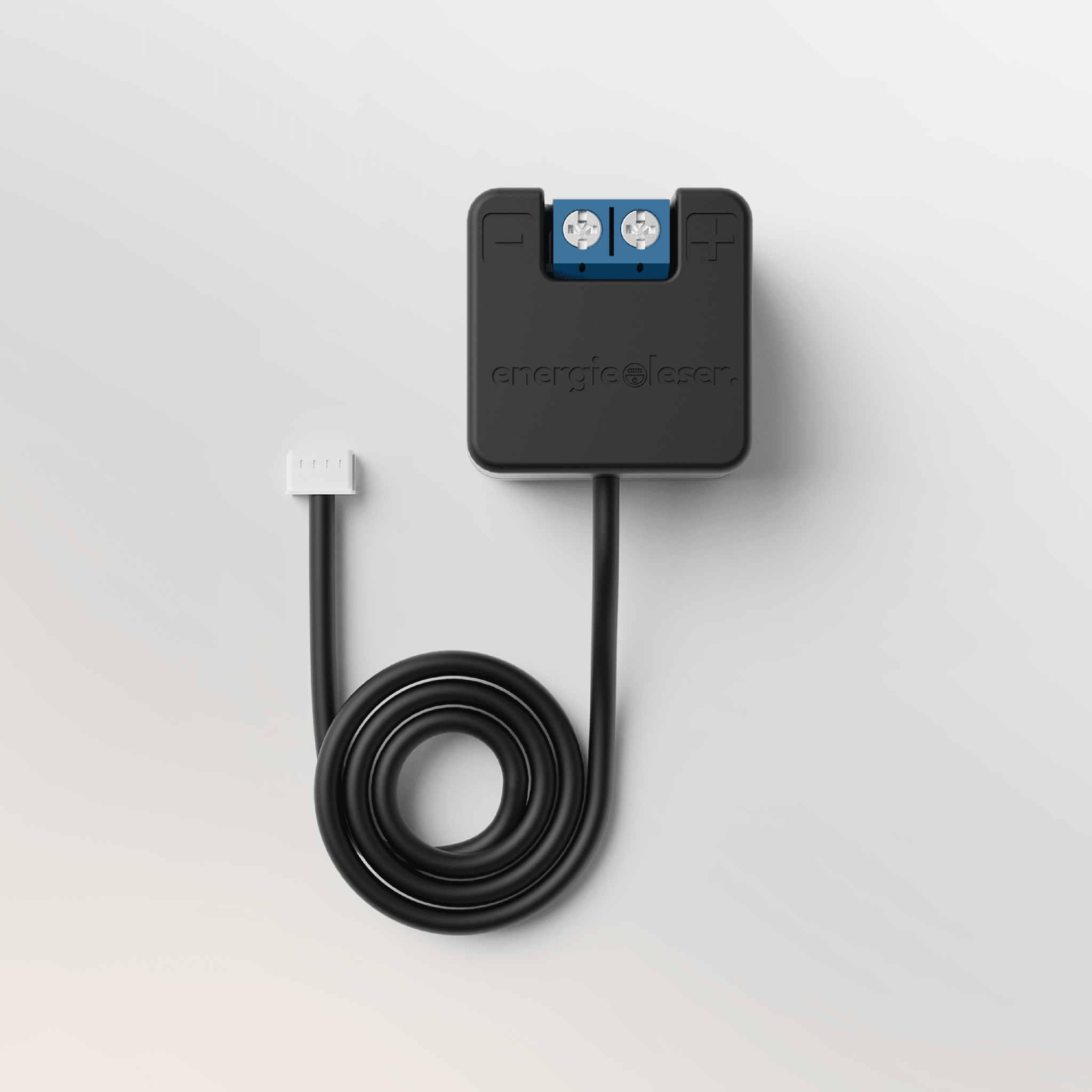
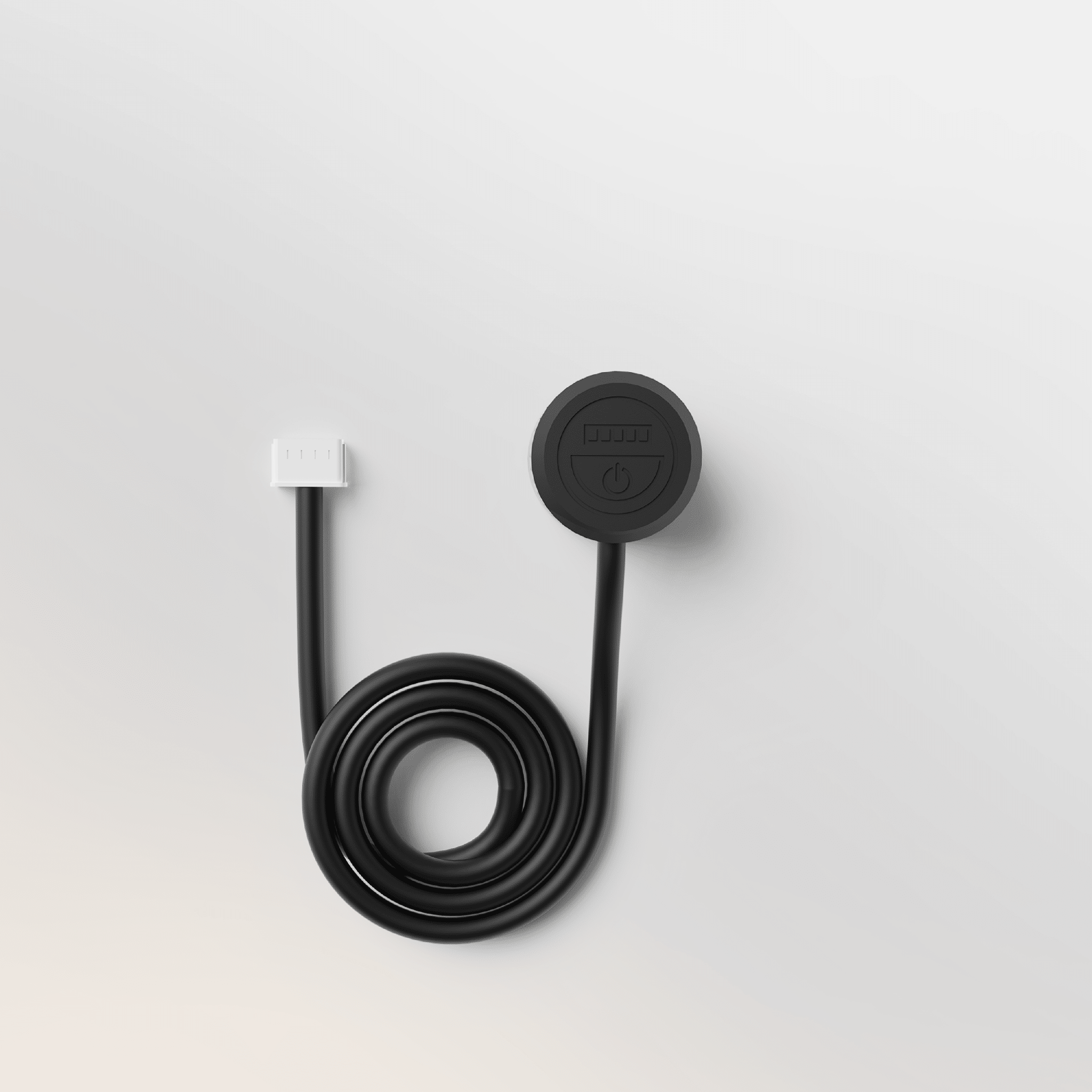
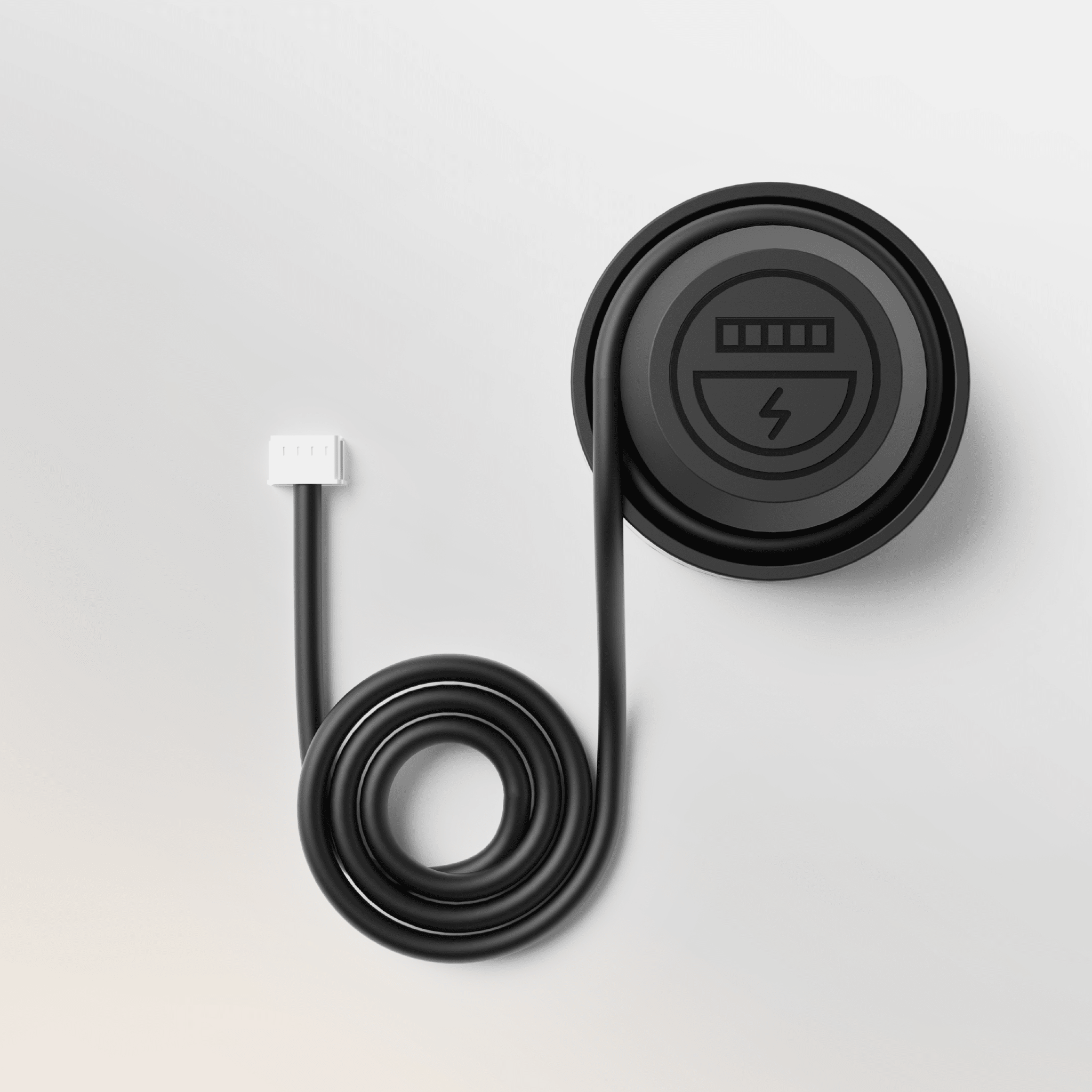
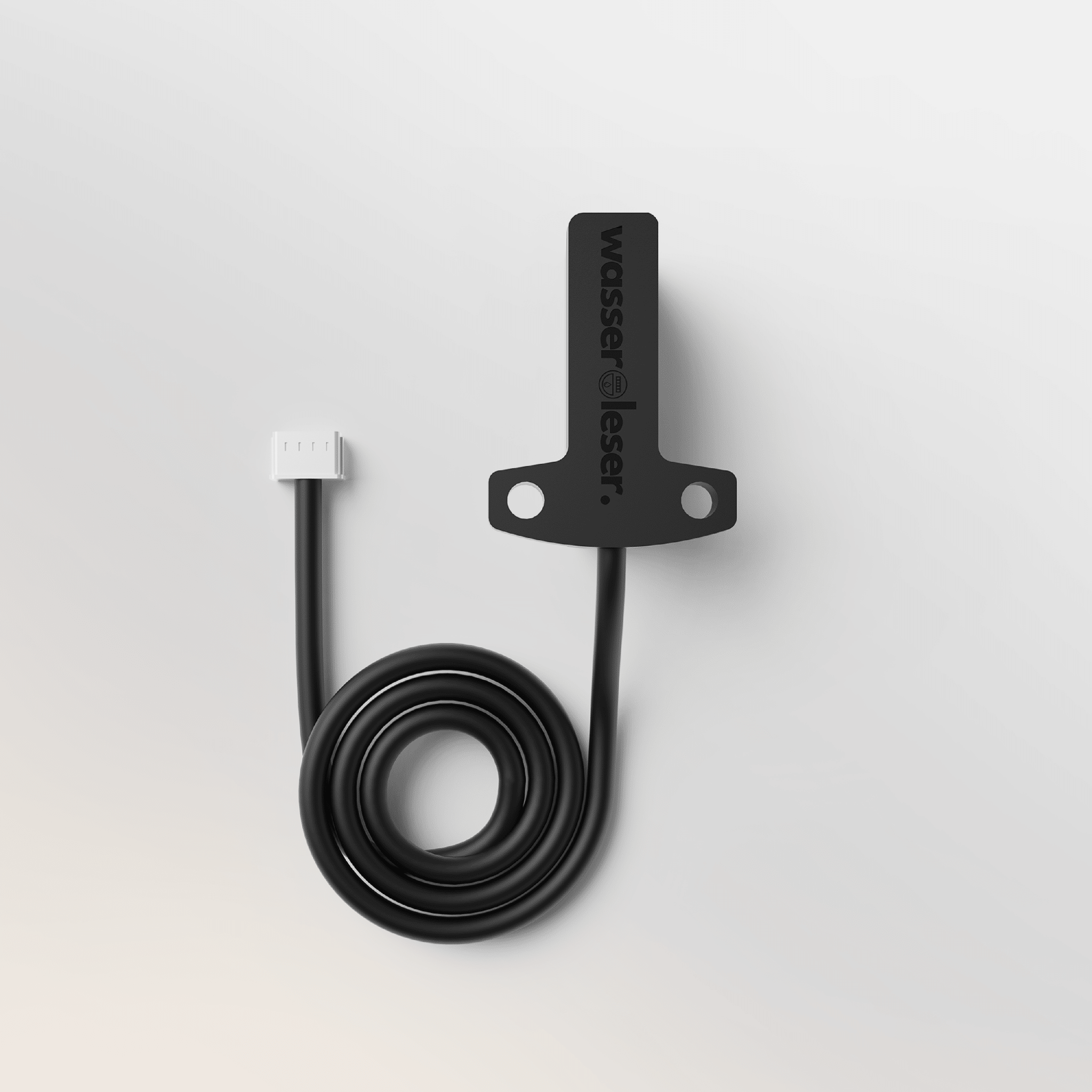
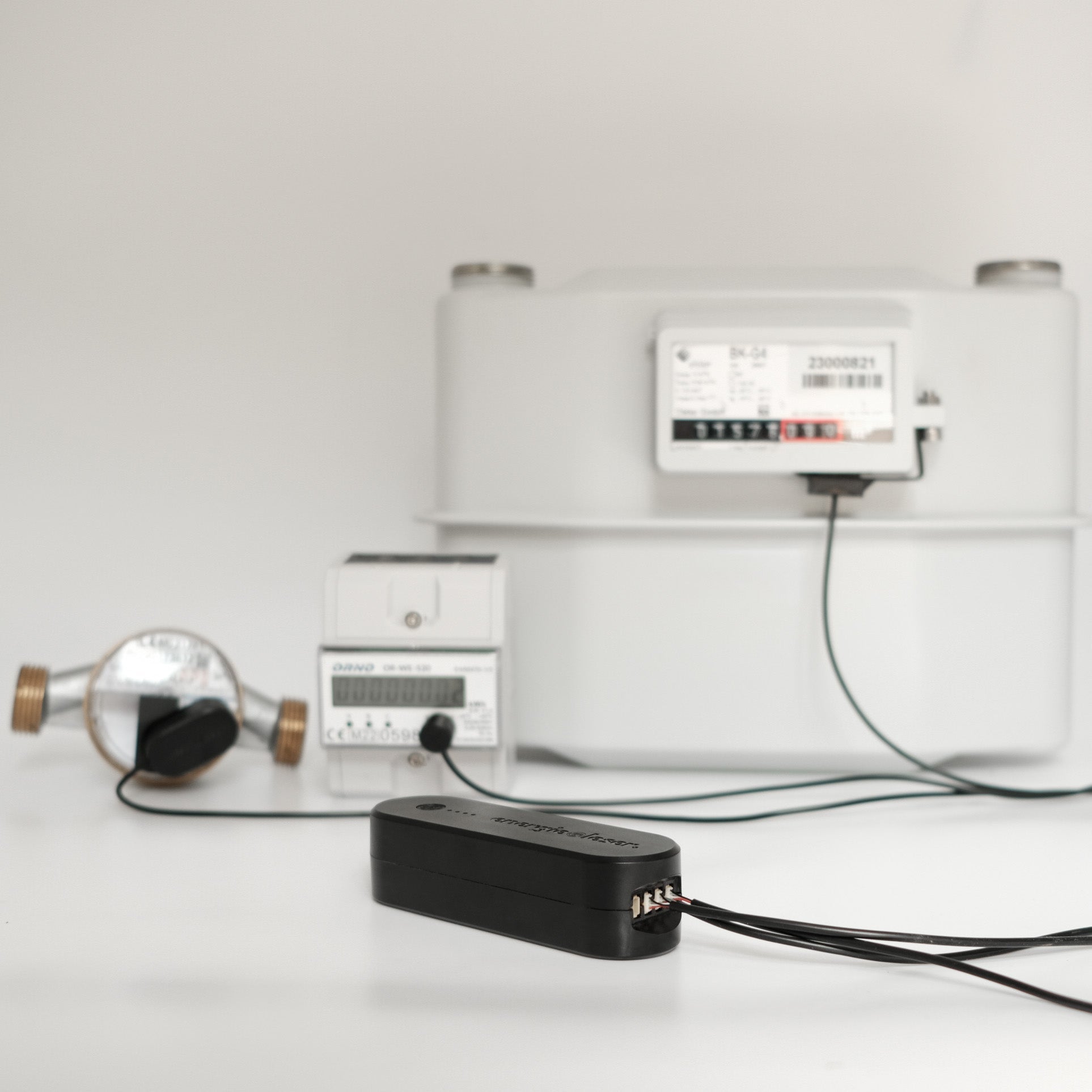
The sensors are attached to the respective meter and connected to the Node. The sensors read the data directly from the meter, and the Node sends it via radio signals (wireless M-Bus) to the Bridge – completely without Wi-Fi.
Node (transmitting unit)
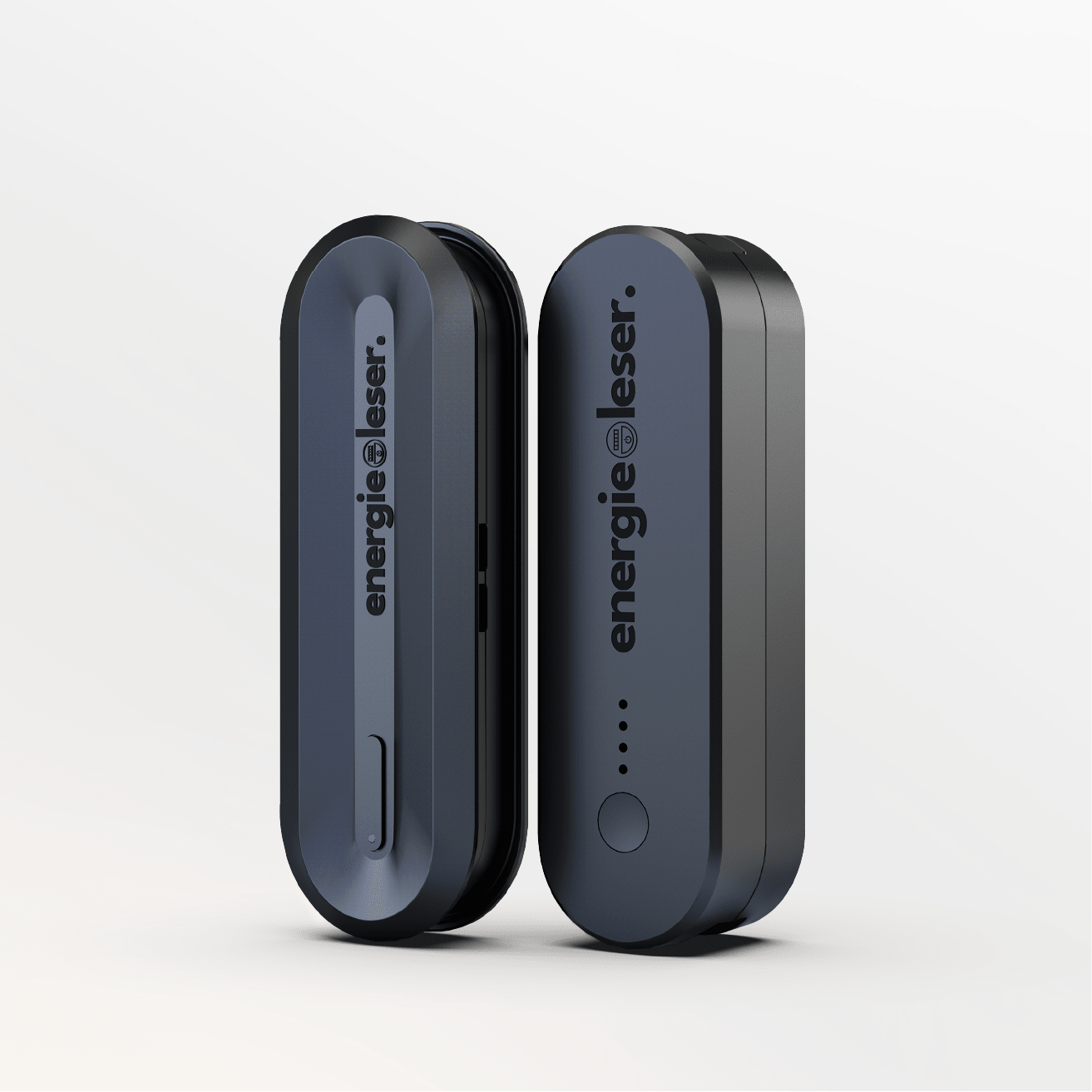
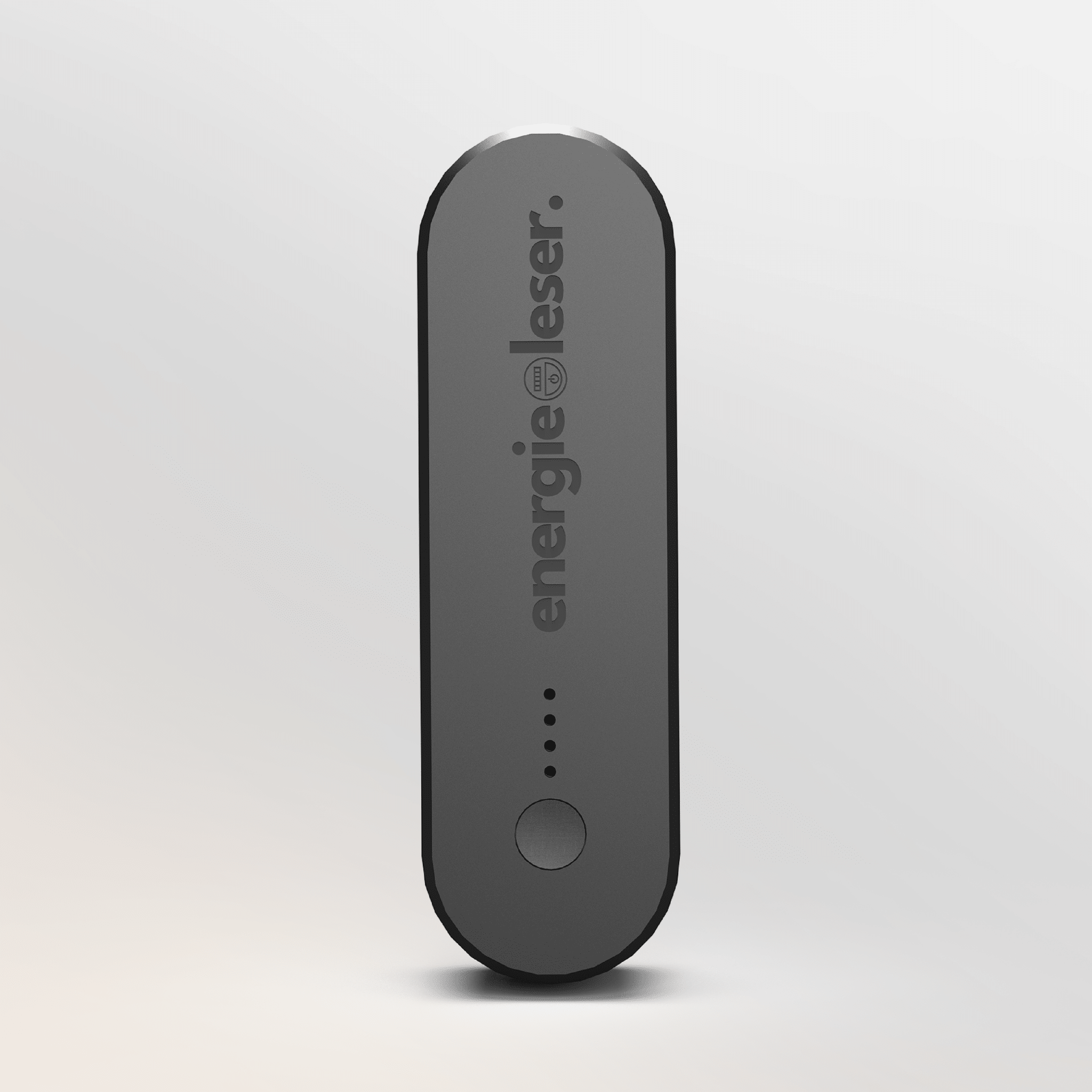
The Node offers a solution for traditional meters without wireless capabilities, lacking Wi-Fi reception, or power connection. It is a battery-operated interface that converts meter data into wireless M-Bus radio signals. It requires the appropriate sensors (reading unit) and the Bridge (receiving unit).
Wireless smoke detector
In addition to reading meter data, the energieleser.bridge also enables the reception and status of your wireless smoke detectors.
Bridge (Receiver Unit)
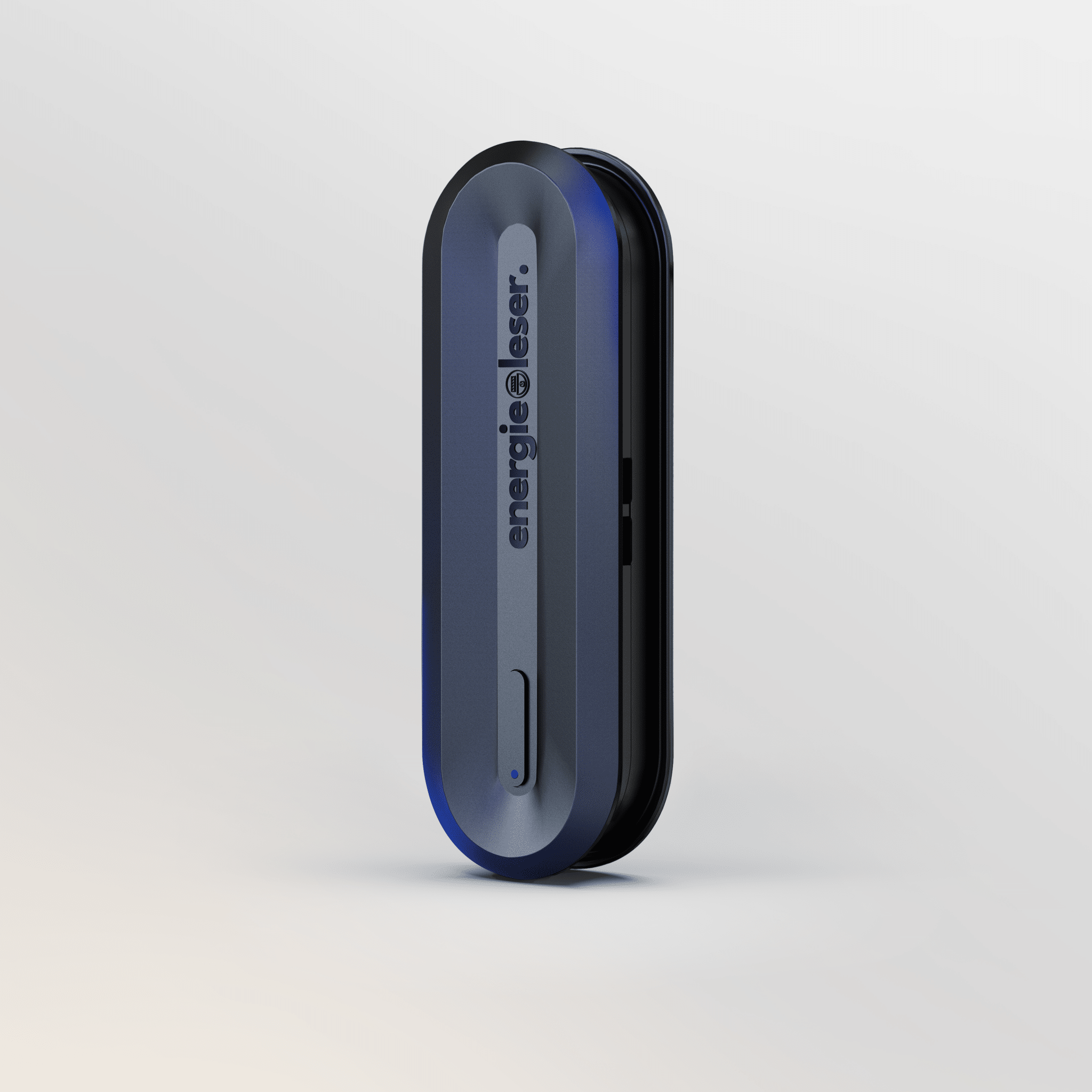
The energieleser.bridge acts as your central reception unit: It captures the radio signals (wireless M-Bus) of compatible wireless meters, as well as the energieleser.node, and transmits them to your network – directly to the energieleser app or locally to your Home Assistant system.
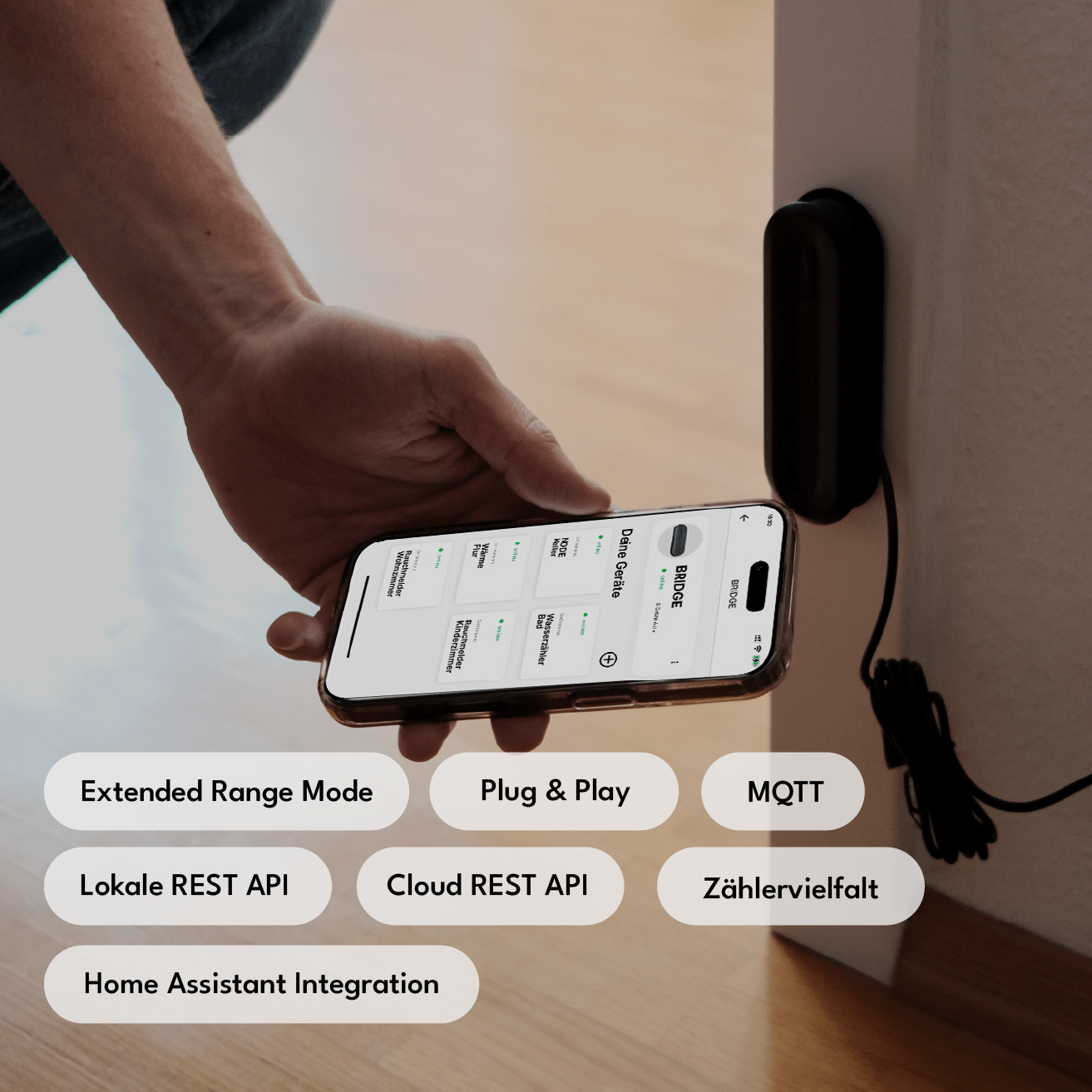
The Bridge is not installed on the meter, but rather where Wi-Fi is available – for example, directly in your apartment.
More range, one system.
With the energieleser.bridge and energieleser.node, we bring your meter data into one system. With a focus on wireless M-Bus, we jointly create a reliable connection to meters that other solutions cannot reach – completely without Wi-Fi or power at the meter. The Bridge also directly integrates modern wireless meters.
Was ist der Unterschied zwischen Bridge und Node?
Die energieleser.bridge ist die zentrale Empfangseinheit des Systems. Sie empfängt Daten kompatibler (OMS-)Funkzähler per wireless M-Bus und überträgt diese per WLAN in die energieleser App oder Home Assistant. Die energieleser.node ergänzt das System für klassische Zähler ohne Funk. Sie wird direkt am Zähler installiert und mit den passenden Leseköpfen verbunden. Die Node sendet die ausgelesenen Daten anschließend per wireless M-Bus an die Bridge.
Was bedeutet "Schlüssel" meiner Funkzähler?
Viele funkbasierte Zähler senden ihre Daten per wireless M-Bus verschlüsselt, sodass ein entsprechender Schlüssel vom Betreiber, Vermieter oder Stadtwerk benötigt wird. Liegt dieser vor, lassen sich die Daten problemlos integrieren.
Wie lange hält die Batterie?
Die Batterielaufzeit kann je nach gewünschtem Werteintervall, Umgebung und Umwelteinflüssen stark variieren. Wir empfehlen bei Intervallen von unter 1 min eine direkte Stromversorgung via USB-C Kabel. Batterielaufzeit bei Intervall von: 5 min (2 Leseköpfe) = ca. 4 Jahre 1 min (2 Leseköpfe) = ca. 2 Jahre 15s (2 Leseköpfe) = ca. 1 Jahr 5s = ca. 4 - 6 Monate (direkte Stromversorgung stark empfohlen!)
Funktioniert die Node allein?
Nein. Du benötigst passende Leseköpfe für deine Zähler, sowie die energieleser.bridge, welche die Daten empfängt.
Wie viele Leseköpfe kann die Node auslesen?
An eine energieleser.node können bis zu 4 Leseköpfe gleichzeitig angeschlossen werden – auch unterschiedliche Typen. Zum Beispiel: Strom + Gas + Wasser, oder andere Kombinationen. Ebenso können mehrere identische Leseköpfe parallel verwendet werden, beispielsweise mehrere Gas- oder Wasserleseköpfe gleichzeitig. Wichtig zu wissen: Ausschließlich beim stromleser.ttl können nur 2 Leseköpfe pro Node angeschlossen werden.
Your bridge receives all meters that transmit via wireless M-Bus – including the radio signals from your Node. However, many modern radio meters are encrypted and therefore require the appropriate key so that the data can be read out and integrated into the app.


You simply place the Bridge in a location within your Wi-Fi range – for example, in the living room – and connect it to power using the included USB-C power adapter. Download the energieleser app from the App Store or Google Play and integrate the Bridge. It automatically detects smart meters and your energieleser.node. With the key provided, you integrate your meters directly into the app. After installation, you will find all meter data and statistics at a glance.

With the energieleser app, you have your data at a glance at all times. Download the app - connect energieleser - read out data.


Features

Refresh rate
The Node delivers an industry-leading update rate for particularly time-sensitive measurements.

Quadruple Sensor Input
The node has four sensor inputs for flexible connection of various meters. This reduces costs and complexity.

Extended Range Mode
The Extended-Range mode significantly increases the range between the Bridge and Node compared to other meter systems.

Data storage
Measurement values are stored in the cloud and can be accessed at any time - for consumption history, analysis and billing.

Dual-Wi-Fi Mode
Simultaneous connection to two Wi-Fi networks for increased connectivity and automatic failover.

OTA Updates
Firmware updates are installed automatically via Wi-Fi - no cables, no manual intervention, always up-to-date.

MQTT
Support for the industry standard for messaging - seamless integration into any smart home broker.

Real-Time Monitoring
Measurements are captured and provided in real-time – for precise consumption analyses and immediate response to load peaks.

Local REST API
Full local API access with no cloud dependency – ideal for developers and advanced home automation users.

Cloud REST API
Remote access and control via our secure cloud infrastructure — accessible from anywhere.

Home Assistant
The Bridge offers full support for Home Assistant – your meter data can be integrated directly into your personal smart home.

Export detection
Automatically detects the feeding of self-generated electricity into the grid - essential for PV systems and optimizing self-consumption.
Refresh rate
The Node delivers an industry-leading update rate for particularly time-sensitive measurements.
Quadruple Sensor Input
The node has four sensor inputs for flexible connection of various meters. This reduces costs and complexity.
Extended Range Mode
The Extended-Range mode significantly increases the range between the Bridge and Node compared to other meter systems.
Data storage
Measurement values are stored in the cloud and can be accessed at any time - for consumption history, analysis and billing.
Dual-Wi-Fi Mode
Simultaneous connection to two Wi-Fi networks for increased connectivity and automatic failover.
OTA Updates
Firmware updates are installed automatically via Wi-Fi - no cables, no manual intervention, always up-to-date.
MQTT
Support for the industry standard for messaging - seamless integration into any smart home broker.
Real-Time Monitoring
Measurements are captured and provided in real-time – for precise consumption analyses and immediate response to load peaks.
Local REST API
Full local API access with no cloud dependency – ideal for developers and advanced home automation users.
Cloud REST API
Remote access and control via our secure cloud infrastructure — accessible from anywhere.
Home Assistant
The Bridge offers full support for Home Assistant – your meter data can be integrated directly into your personal smart home.
Export detection
Automatically detects the feeding of self-generated electricity into the grid - essential for PV systems and optimizing self-consumption.
You might also like:
Funded by:

