
More and more households are generating their own solar power – but many are not using it efficiently. If your photovoltaic system produces more energy than you consume in your household, this is called PV surplus . Many automatically feed this into the grid, even though this is precisely where the greatest potential for savings lies.
With the electricity meter, you can use your self-generated solar power in a targeted and intelligent way, instead of feeding it into the grid for just a few cents. This increases your self-consumption , lowers your electricity costs , and makes your home more independent from the electricity market in the long term.
The share of solar power is growing rapidly.
In Germany, solar energy is playing an increasingly important role in the electricity supply.
According to the Fraunhofer Institute for Solar Energy Systems, photovoltaics reached a share of almost 14% of the total electricity mix in 2024 – and the trend is continuing to rise.
That means:
🔆 More and more households are generating solar power .
🏠 Many people have excess energy every day.
📈 The installation of PV systems continues to grow rapidly.
💰 Self-consumption saves significantly more than feeding electricity into the grid (approx. 30 ct/kWh vs. 7–9 ct/kWh).
🌍 Every kilowatt hour generated saves an average of 0.4 kg of CO₂ .
With a system that detects and optimally distributes your excess PV energy , you can specifically use this advantage for your home.

What does PV surplus mean?
PV surplus occurs whenever your solar system generates more electricity than you need at that moment. Without intelligent energy management, this electricity automatically ends up in the public grid – for a feed-in tariff that is far below your own electricity costs.
Why this is relevant:
- Self-consumption is worth up to four times more than feed-in.
- Every bit of solar power you use yourself makes you more independent from rising electricity prices.
- The higher your self-consumption rate, the more efficiently your PV system works.
Why self-consumption is really worthwhile
While you typically only receive 7–9 ct/kWh for electricity fed into the grid, you save an average of around 30 ct/kWh by using it yourself. You reduce your grid consumption, make your home more sustainable, and use your PV system much more efficiently.
With intelligent energy management you can:
- Start household appliances specifically when solar power is available.
- Switch the heat pump to PV operation
- Charge your electric car with surplus power
- Automated control of your energy flows
How the electricity reader helps you to optimally utilize your PV surplus.
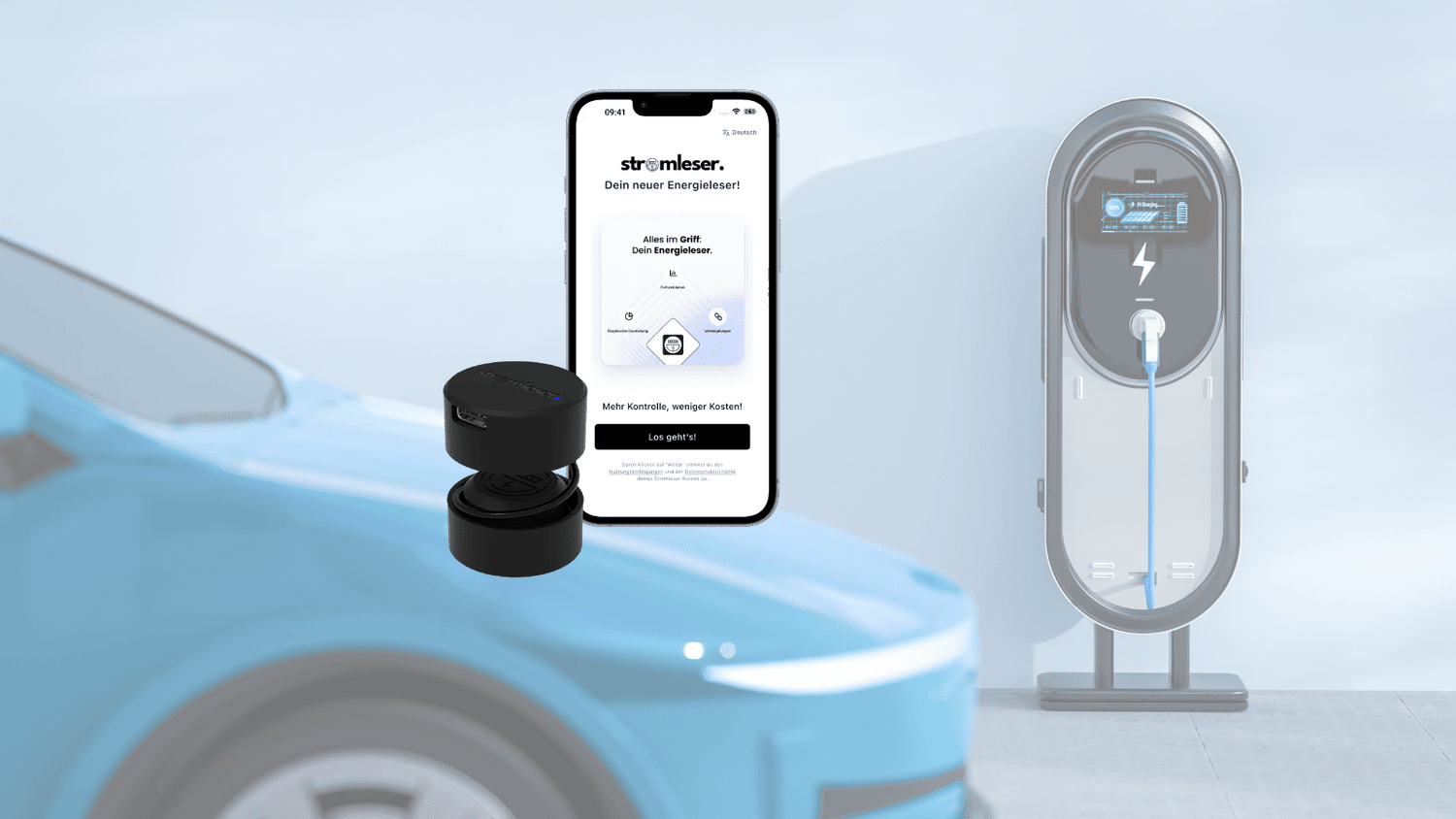
The stromleser makes your digital electricity meter smart in just a few minutes – no electrician required. It automatically reads your electricity consumption, generation, and feed-in and sends the live data to the stromleser app.
You will receive:
- Real-time data on consumption, generation and feed-in
- a clear overview of your energy flows
- the ability to detect PV surplus down to the second
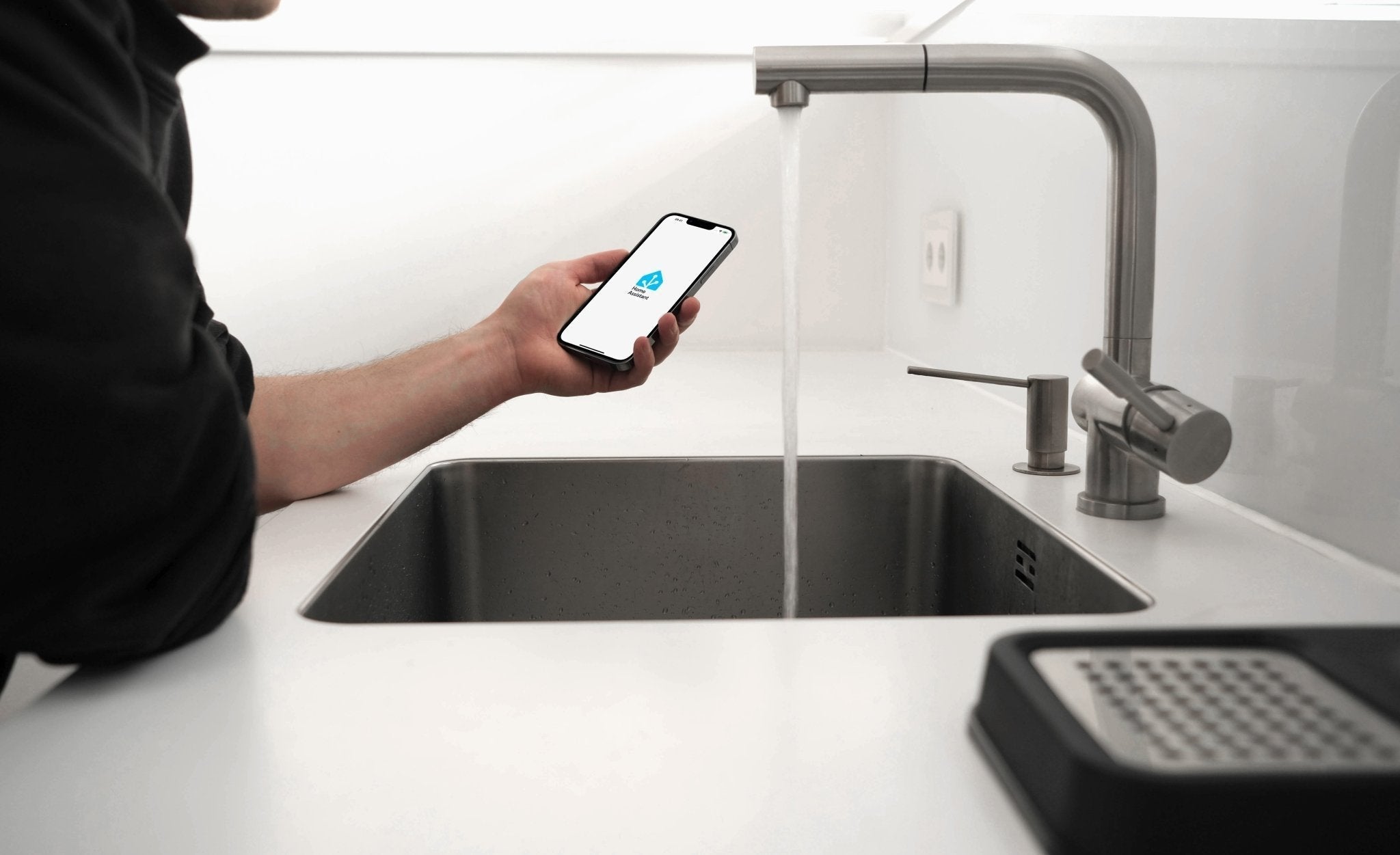
- full integration into Home Assistant
This way you always know when there is a surplus – and can control your consumption accordingly.
Electricity reader + Home charging: Use excess PV power for electric cars
A particularly practical example is charging your electric car with excess solar power.
In combination with a smart wallbox – like DaheimLaden – you can use surplus solar power specifically for your vehicle. The electricity meter reader provides real-time data from your electricity meter and makes it available to the Click2Charge app .
This is how the interaction works in practice:
- Your photovoltaic system generates electricity.
- The electricity meter measures in real time how much energy you consume or feed into the grid.
- You connect your electricity reader to the Click2Charge app via the electricity reader app.
- In Click2Charge, you activate the "Solar charging" function and select the power meter as the power meter.
- Your DaheimLaden wallbox uses this data to preferentially charge your car when there is a surplus of PV power .
This way you can power your electric car primarily with self-generated solar power – automatically, efficiently and without having to constantly intervene manually.

Other possibilities: Using excess PV power in everyday life
Heat pump: Use excess energy to generate hot water or supplement your heating. You can use Home Assistant to automatically activate your heat pump when sufficient PV power is available.
Household appliances: Automation allows you to run your washing machine, dishwasher or dryer precisely when your solar system is generating the most electricity.
Home storage: If you use a battery storage system, you can charge it specifically with surplus electricity .
Conclusion: Use solar power smartly instead of giving it away.
With the electricity meter, you gain complete transparency into your energy flows and can strategically use your surplus solar power where it's most beneficial. Whether charging your electric car via DaheimLaden , operating your heat pump, or automating household processes – you use your solar power more efficiently, sustainably, and economically .
FAQ – Frequently asked questions about PV surplus
What does PV surplus mean?
When your PV system generates more electricity than you currently need.
Why is self-consumption more worthwhile than feeding electricity into the grid?
Because you save around 30 ct/kWh with self-consumption – compared to 7–9 ct/kWh feed-in tariff.
How can I increase my own energy consumption?
Through intelligent control, automation, power meters , e-mobility and possibly a battery storage system.
❗️ If you have any questions or need support, please feel free to contact us via Email ( info@energieleser.de ).


Leave a comment
This site is protected by hCaptcha and the hCaptcha Privacy Policy and Terms of Service apply.